
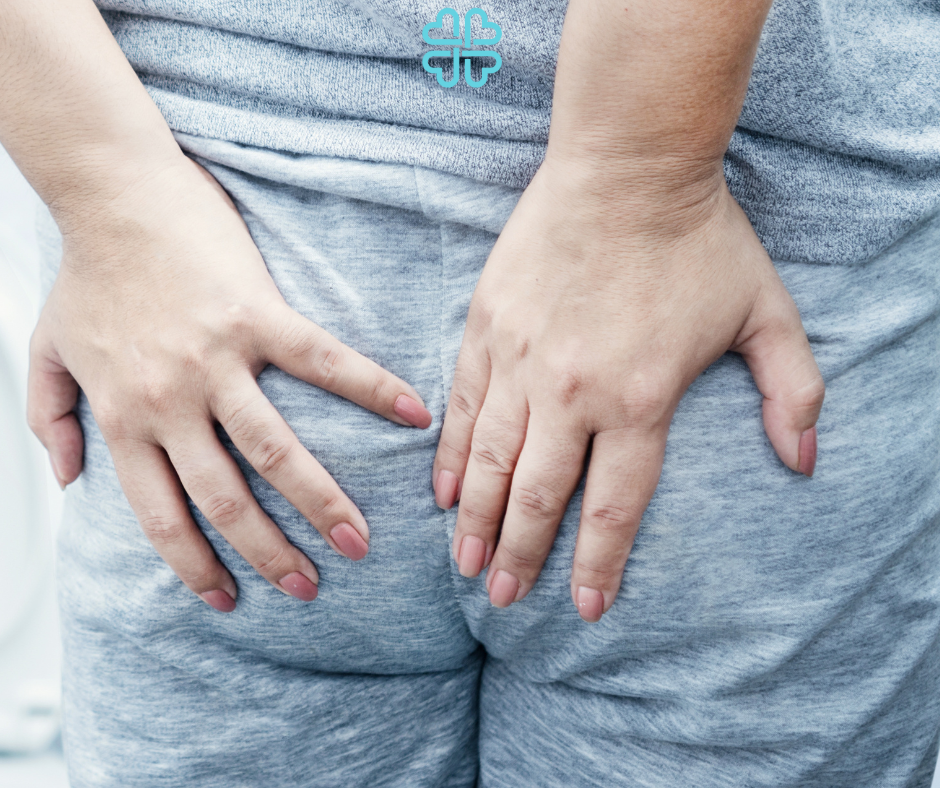
stress · intestines · hemorrhoids · anal fissure · anal pain · proctologist Gdansk
Stress affects the whole body - including the digestive system and bowel habits. It is not a simple, direct cause of hemorrhoids or anal fissure, but in some people it may indirectly worsen symptoms: promote constipation or diarrhea, increase pain perception, reinforce unfavorable toilet habits or coexist with excessive pelvic floor muscle tension.
Medical author: Kamil Smok, MD, physician dealing with proctology and surgery, in specialist training in general surgery - to be authorized before publication · Editorial preparation: Editorial team of Wyspa Medycyny Przyjaznej · Medical review: Kamil Smok, MD - to be confirmed before publication · Publication date: 19.07.2026 · Updated: 19.07.2026
This article is educational and does not replace a proctology consultation or examination. Rectal bleeding should not automatically be attributed to hemorrhoids or stress. Urgent assessment is needed for, among others, heavy or recurrent bleeding, black stools, fainting, fever, increasing swelling or severe pain around the anus.
Key information at a glance
- Stress itself is not a proctological diagnosis and does not automatically explain pain, bleeding, itching or a lump near the anus.
- It may affect communication between the brain and intestines and, in some people, change stool frequency and consistency.
- Constipation, straining, long sitting on the toilet and frequent bowel movements may worsen symptoms of hemorrhoidal disease.
- Hard stool and mechanical trauma may maintain pain related to an anal fissure; pain may in turn increase reflex sphincter tension.
- Not every stressed person has an overactive pelvic floor. Muscle coordination disorders require assessment and sometimes functional testing.
- Movement, regular meals, adequate fluids and fiber, and calm toilet habits may support bowel rhythm, but they do not replace treatment of a diagnosed disease.
- Pelvic floor physiotherapy and biofeedback may help selected defecation disorders - after proper qualification.
- If symptoms persist, recur or include bleeding, their real cause needs to be assessed.
Learn more about the specialist
Kamil Smok, MD deals at Wyspa Medycyny Przyjaznej with diagnosis and treatment of diseases of the anus, anal canal and perianal area. He consults, among others, rectal bleeding and anal pain, hemorrhoidal disease, anal fissure, abscesses, fistulas and other symptoms requiring proctological assessment. In his work, he pays attention to the patient's physical and mental comfort, discretion and clear explanation of the next stages of the visit.
How does stress affect the intestines and bowel movements?
The brain and digestive tract communicate through the nervous, hormonal and immune systems. Therefore emotional tension may in some people affect intestinal motility, the sensation of urge, abdominal pain and visceral sensitivity. The reaction is not the same for everyone: one person reacts with constipation, another with looser stool or more frequent toilet visits, and another notices no clear change.
Stress-related behaviors also matter: irregular meals, less movement, insufficient hydration, postponing bowel movements, sitting on the toilet for a long time with a phone or forceful straining. Through these mechanisms, stress may indirectly affect proctological symptoms.
Does stress cause hemorrhoids?
There is no basis for considering stress a direct cause of hemorrhoidal disease. More precisely, stress can be one element in a chain of events that worsens already existing symptoms in some people.
Constipation, excessive straining, long sitting on the toilet and frequent bowel movements or diarrhea may be especially important. Guidelines for hemorrhoidal disease point to abnormal bowel habits as an important element of symptoms and recommend starting management with dietary and behavioral changes.
Bleeding, however, should not be self-diagnosed as a hemorrhoid symptom. It may have different causes, so recurrent or unexplained bleeding requires diagnostics.
Stress and anal fissure - what may be the link?
An anal fissure is a tear or ulcer of the anal canal mucosa. It is often linked to trauma during passage of hard stool, but it may also appear with frequent loose stools. Sharp pain during and after bowel movements and fresh blood on paper or stool are typical.
Stress does not simply "create" a fissure. It may, however, indirectly make improvement harder if it changes bowel rhythm, promotes muscle tightening, increases vigilance to pain or leads to postponing toilet visits. In chronic fissure, increased internal sphincter tone and poorer blood supply around the wound may be an important mechanism.
Stress, sphincters and the pelvic floor - what do we really know?
A normal bowel movement requires coordination of abdominal pressure with relaxation of the pelvic floor muscles and the external anal sphincter. In some patients, during an attempt to pass stool, the muscles do not relax correctly or paradoxically tighten. This disorder may cause straining, a feeling of blockage, incomplete evacuation or the need to assist stool passage.
It should not be assumed that every problem comes from "tension due to stress". Similar symptoms may have anatomical, inflammatory, neurological or functional causes. Assessment may include history, proctological examination and, in selected cases, anorectal manometry, balloon expulsion test or other tests.
Can stress increase the perception of anal pain?
Stress, anxiety and poor sleep may increase sensitivity to painful stimuli and make relaxation harder. This does not mean that the pain is "in the head". Anal pain is a real symptom and first causes such as fissure, external thrombosis, abscess, inflammation, injury or other diseases of the anal area must be considered.
Only after assessing the cause can it be determined whether, alongside proctological treatment, work on stress, breath regulation or muscle tension may help.
Symptom, possible mechanism and the right direction of action
| Symptom | What may worsen it? | What is worth doing? |
|---|---|---|
| Hard stool and straining | Too little fluid or fiber, postponing bowel movements, low activity, medicines or a defecation disorder. | Assess the cause of constipation, change habits and discuss treatment if the problem persists. |
| Frequent loose stools | Infection, diet, medicines, gut-brain axis disorders or other digestive tract diseases. | Do not treat only "stress"; if symptoms recur, determine the cause of diarrhea. |
| Pain during bowel movements | Fissure, thrombosis, inflammation, abscess, injury or excessive muscle tension. | See a doctor, especially with severe pain, a lump, fever or blood. |
| Feeling of blockage or incomplete evacuation | Pelvic floor coordination disorder, constipation or anatomical problem. | Consider proctological or gastroenterological diagnostics; physiotherapy only after qualification. |
| Bleeding | Hemorrhoids and fissure are common, but they are not the only possible causes. | Do not attribute blood to stress; consult the symptom and determine the bleeding source. |
How to reduce the effect of stress on bowel movements?
The best results usually come from combining treatment of the diagnosed cause with simple actions supporting regular bowel function. Depending on symptoms, helpful steps may include:
- regular physical activity adapted to one's ability,
- adequate fluids and gradual fiber increase, if there are no contraindications,
- responding to natural urge instead of long postponing of bowel movements,
- avoiding strong straining and sitting on the toilet for many minutes,
- calm diaphragmatic breathing without holding breath during stool passage,
- regular sleep and tension-reduction techniques matched to the patient,
- pelvic floor physiotherapy or biofeedback when a coordination disorder has been confirmed,
- psychological support if chronic stress or anxiety significantly affects daily functioning.
Fiber should not be increased suddenly because it may worsen bloating. With chronic constipation, pain, bleeding or weight loss, the plan should be agreed with a doctor.
When can pelvic floor physiotherapy help?
Physiotherapy is not only about strengthening muscles. With excessive tension or dyssynergia, the goal may be learning relaxation, breath coordination and a proper defecation pattern. In treatment of confirmed defecation disorders, biofeedback plays an important role, helping the patient consciously coordinate the abdomen, rectum, pelvic floor and sphincters.
First, however, it must be determined whether symptoms truly result from a functional disorder. Acute pain, abscess, active fissure, bleeding or another organic lesion may require different treatment.
The most common myths about stress and proctological problems
- "I have hemorrhoids only because of stress". Stress may indirectly worsen symptoms, but hemorrhoidal disease has many factors and requires proper diagnosis.
- "Blood appears when I get nervous, so it does not need checking". No. Rectal bleeding should be assessed regardless of the circumstances in which it occurs.
- "It is enough to relax and the fissure will heal". Relaxation may support comfort, but a fissure often requires stool regulation and treatment selected by a doctor.
- "Every pelvic floor tension should be stretched on your own". No. Incorrect exercises may not help; muscle function needs assessment.
- "Pain linked to stress is made up". No. The nervous system affects pain perception, but the symptom remains real and requires careful assessment.
- "Embarrassment before examination is unusual". No. Concern and embarrassment are common, so a good consultation should be calm and respect intimacy.
When should symptoms not be explained by stress?
Consultation is especially needed for:
- first episode, recurrence or increase of rectal bleeding,
- dark blood, clots or black tarry stool,
- severe or increasing anal pain, especially with swelling or fever,
- purulent discharge, recurrent abscess or suspected fistula,
- unintentional weight loss, weakness or anemia,
- persistent change in bowel rhythm, especially without a clear cause,
- abdominal pain, vomiting, inability to pass stool and gas,
- symptoms in a person with family history burden or requiring colorectal screening.
Stress worsens symptoms, but you do not know what causes them?
Bleeding, pain, itching, burning, a lump near the anus or difficulty passing stool are worth discussing during a calm proctology consultation.
Proctology consultation Book a visitFriendly proctology consultation in Gdansk
Proctological problems are intimate and may cause stress even before entering the office. That is why an approach based on discretion, calm explanation and respect for patient boundaries fits the idea of Wyspa Medycyny Przyjaznej - a place where everyone should be able to talk about symptoms without shame or judgment.
Kamil Smok, MD consults diseases of the anus, anal canal and perianal area. During the visit, the doctor takes history, assesses symptoms and explains the scope of the needed examination. Depending on the problem, examination of the anal area, rectal examination, anoscopy according to indications or planning further diagnostics and treatment may be possible.
What should you ask the proctologist during the visit?
- What is the most likely cause of my symptoms?
- Does the bleeding come from a fissure, hemorrhoids or require further diagnostics?
- Can constipation, diarrhea or frequent straining worsen my problem?
- Does the way I pass stool suggest a pelvic floor disorder?
- Do I need anoscopy, colonoscopy, manometry or another test?
- How should I change stool consistency and toilet habits?
- Is pelvic floor physiotherapy or biofeedback indicated in my case?
- Which symptoms should make me contact a doctor urgently?
FAQ - stress, hemorrhoids, anal fissure and muscle tension
Does stress cause hemorrhoids?
It is not considered their direct cause. It may indirectly worsen symptoms if it is linked to constipation, diarrhea, straining, long sitting on the toilet or changes in daily habits.
Can stress worsen an anal fissure?
It may act indirectly through changes in stool consistency, postponing bowel movements, increased pain perception or difficulty relaxing muscles. The fissure itself is an injury requiring proper diagnosis and treatment.
Can a tense sphincter make bowel movements difficult?
This can happen with defecation coordination disorder, when the pelvic floor or external sphincter does not relax correctly. Such a problem is not diagnosed only on the basis of a feeling of tension.
Do breathing exercises treat hemorrhoids?
They do not treat hemorrhoidal disease. Calm breathing may help reduce breath holding and excessive straining, but it is only a supportive element of proper habits.
Can pelvic floor physiotherapy help with constipation?
It may help with confirmed defecation disorders. Biofeedback teaching proper muscle coordination is especially important, but prior qualification is needed.
Can rectal bleeding be only from stress?
This should not be assumed. Stress is not a sufficient explanation for bleeding. The source may be hemorrhoids or a fissure, among others, but also other diseases requiring diagnostics.
When should you see a proctologist?
When bleeding, pain, itching, burning, a lump, discharge, recurrent inflammation, a feeling of blockage appears, or symptoms persist despite habit changes.
Does a proctological examination have to be stressful?
Embarrassment is natural, but the doctor should explain the examination, ensure privacy and adapt the scope to symptoms and patient tolerance. At Wyspa Medycyny Przyjaznej, consultations emphasize discretion and a calm atmosphere.
Who consults proctological problems at WMP?
One of the doctors dealing with proctology at Wyspa Medycyny Przyjaznej is Kamil Smok, MD. He diagnoses and treats diseases of the anus, anal canal and perianal area.
Sources for medical and editorial verification
- Wyspa Medycyny Przyjaznej - Kamil Smok, MD
- Wyspa Medycyny Przyjaznej - proctology consultation in Gdansk
- NIDDK - constipation: symptoms and causes
- NIDDK - hemorrhoids: symptoms and causes
- American Society of Colon and Rectal Surgeons - hemorrhoidal disease guidelines, 2024
- American Society of Colon and Rectal Surgeons - anal fissure guidelines
- American Gastroenterological Association - evaluation and management of refractory constipation, 2026
- American Gastroenterological Association - defecation disorders and biofeedback