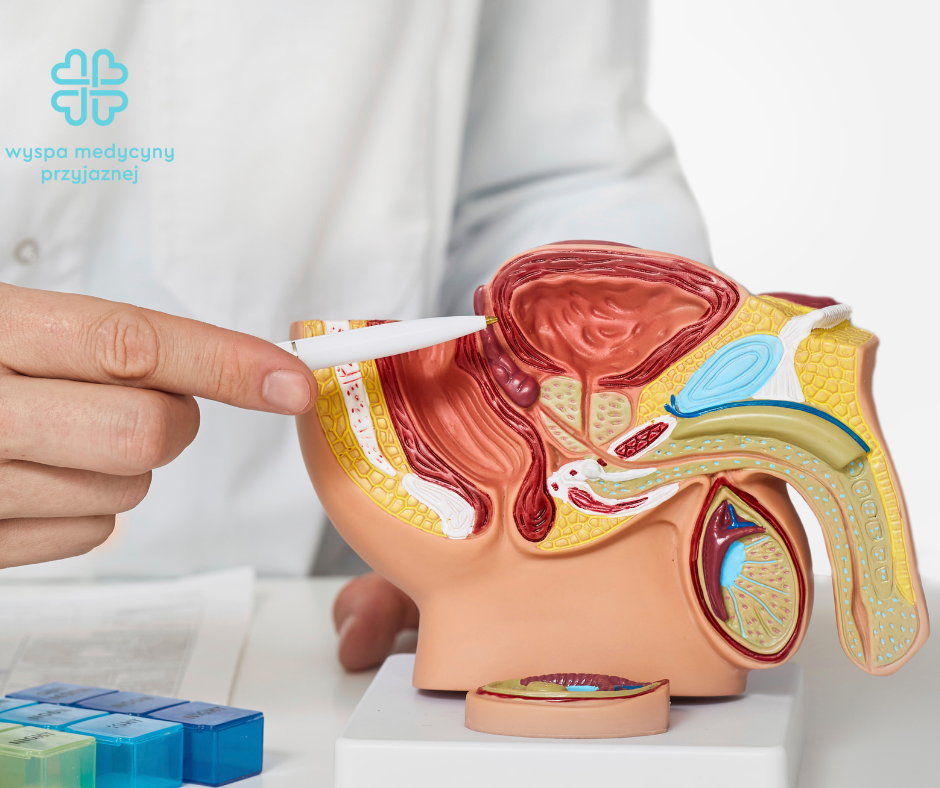

The prostate, this small gland the size of a walnut, arouses many emotions and myths among men. From fun superstitions to serious misconceptions that can harm your health, it's time to debunk the most popular ones! In this extensive article, based on medical facts, we will dispel doubts about the prostate, its diseases and treatment. As an expert in writing medical blogs, I draw from reliable sources and opinions of specialists, such as Dr. Jakub Krukowski, a urologist from Gdańsk specializing in urology, andrology and aesthetic urology. If you are reading this and have doubts about your prostate health, don't wait - make an appointment urological consultation at the Friendly Medicine Island to get professional advice and avoid unnecessary worries.
Why are prostate myths so common?
The prostate is a taboo topic for many men, which leads to the spread of false information. Lack of education means that less than half of men over 40 know where the prostate is and what its role is. Myths often come from ancient beliefs or simplified media reports, but modern medicine debunks them. Dr. Jakub Gondek, a urologist from Gdańsk, emphasizes: "Knowledge about the prostate is the key to prevention - regular examinations can save lives." Check out his profile here.
In Poland, prostate cancer is the second most common cancer in men, and early detection increases the chances of cure to over 90%. Time for facts - let's debunk popular myths with humor and science!
Myth 1: Prostate cancer is only a disease of old men
This is one of the funniest myths - as if the prostate was waiting for retirement! In fact, although the risk increases with age (over 50), prostate cancer can also affect younger men, especially those with a genetic risk. Fact: It is the most common cancer in men, but early PSA testing after the age of 40 can prevent tragedy. Dr. Piotr Rak, an oncological surgeon from Gdańsk, says: "Genes matter, but so does lifestyle - don't wait for symptoms." Find out more here.
Myth 2: Prostate cancer is a death sentence
Absolutely not! This myth sounds like something out of a horror movie, but the facts are optimistic: Early detection makes prostate cancer curable in most cases. Modern therapies, such as radiotherapy or robotic surgery, allow for full recovery without loss of quality of life. Fact: This is not a sentence, but a disease that can be overcome - the key is regular examinations.
Myth 3: The prostate only gets bigger in some men
Ha! As if the prostate was choosing its victims. Fact: Every man's prostate enlarges with age - a physiological process called benign prostatic hyperplasia (BPH). Symptoms such as frequent urination or weak stream affect most men over 50, but treatment (medications or procedures) is effective. Dr. Jakub Klacz advises: "Don't ignore the symptoms - simple tests can improve your comfort." Profile: here.
Myth 4: Too frequent sexual intercourse causes prostate disease
This is a myth straight from Puritan times! In fact, sexual activity does not increase the risk of prostate disease - on the contrary, some research suggests it may have a protective effect. Fact: Prostatitis or BPH depend on other factors, such as infections or hormones, not on the frequency of intercourse.
Myth 5: Prostate inflammation does not affect libido and potency
Unfortunately, this is a myth - inflammation of the prostate, especially chronic one, can reduce libido and cause erection problems due to pain and discomfort. Fact: Treatment with antibiotics or supportive therapies restores normal function, but requires consultation with a urologist.
Myth 6: Genes do not play a role in the development of prostate cancer
Wrong! Genes play a role in about 9% of cases, e.g. BRCA1 or CHEK2 mutations increase the risk. Fact: If there is a family history of prostate cancer, genetic testing and more frequent screening are recommended.
Myth 7: Zinc and lycopene do not help the prostate
This is a myth - zinc and lycopene (from tomatoes) support prostate health by reducing the risk of inflammation and cancer. Fact: A diet rich in these ingredients is a natural prevention, but it will not replace medical examinations.
Summary
Prostate myths may be funny, but ignoring them is harmful to your health. Facts show that regular prevention, a healthy lifestyle and early treatment are the key to success. If you have any doubts or symptoms such as pain when urinating, consult a urologist. On the Island of Friendly Medicine in Gdańsk, there are specialists waiting for you, such as Dr. Jakub Krukowski - arrange a urological consultation today via ZnanyLekarz. Check price list and contact here. This article is for information purposes only and does not replace medical advice - always consult a specialist.