
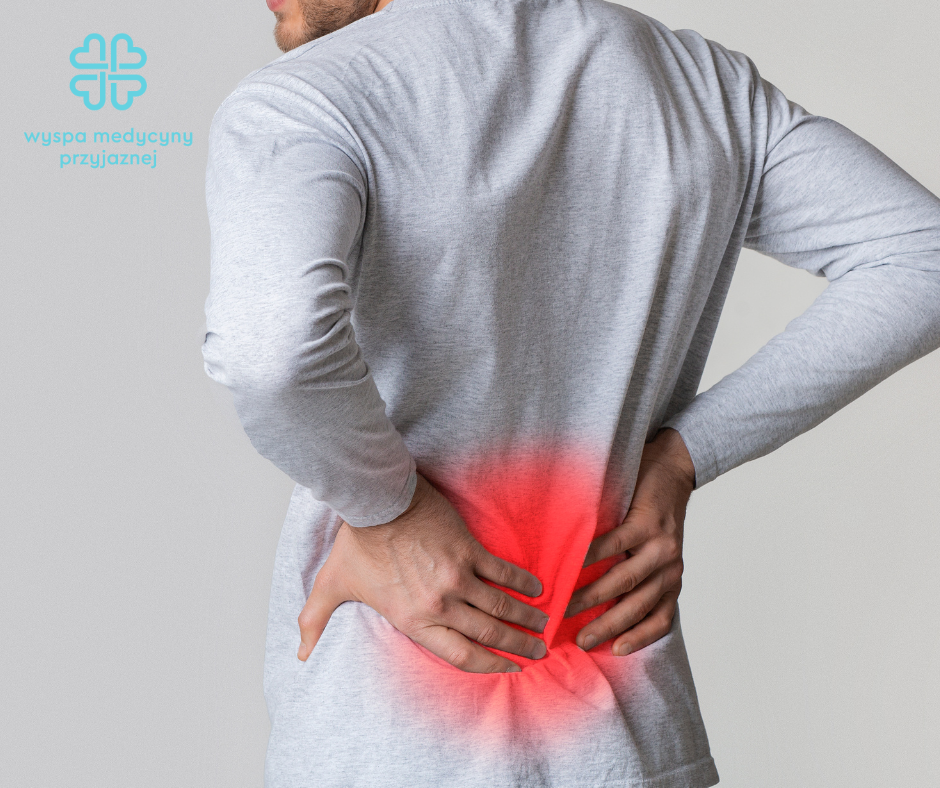
urology · kidneys · kidney stones · prevention · Gdańsk
Kidneys have one inconvenient property: they can lose a significant part of their capacity without causing any symptoms. Kidney disease rarely hurts, and the first symptoms may be so non-specific that the patient attributes them to fatigue. Therefore, in this area, prevention is based not on self-observation, but on two simple tests - and on habits that can be introduced without revolution.
Content author: physician. Arthur Abbazov, urologist, andrologist · Editorial work: Editorial team of Wyspa Medycyny Przyjaznej · Medical review: lek. Arthur Abbazov · Date of creation: 07.08.2026 · Date of review: 07.08.2026 · Updated: 07.08.2026
The article is for educational purposes and does not replace a medical consultation. Severe pain in the side with fever and chills, complete lack of urination, vomiting that prevents fluid intake, blood in the urine with clots, and renal colic in a pregnant woman or in a person with one kidney require immediate reporting to the emergency department.
The most important information at a glance
- The kidneys filter blood, regulate water and electrolyte balance, blood pressure and participate in the production of red blood cells and calcium metabolism.
- Chronic kidney disease is asymptomatic for a long time - that's why it is detected by tests, not based on how you feel.
- The basis of prevention are two tests: general urine test and creatinine with calculated eGFR.
- The greatest risk to the kidneys in the population is diabetes and hypertension, not rare kidney diseases.
- Adequate hydration reduces the risk of urolithiasis, but the amount of fluids should be adjusted individually - separate recommendations apply in case of heart and kidney failure.
- Chronic use of non-steroidal anti-inflammatory drugs burdens the kidneys and is a common, overlooked cause of kidney damage.
- Renal colic is one of the most severe pains in medicine, but it is not a life-threatening condition in itself.
- Colic with fever is an emergency - it may mean infection with stagnant urine above the obstruction.
- Not all stones can be dissolved with medications - this only applies to selected types of deposits.
- After urolithiasis, the risk of recurrence is high, so prevention is more important than just removing the deposit.
Find out more about the specialist
Doctor. Arthur Abbazov is a urologist and andrologist at Wyspa Medycyny Przyjaznej in Gdańsk. He deals with the diagnosis and treatment of diseases of the urogenital system, including urolithiasis, urinary tract infections, and the evaluation of kidney test results. He also conducts consultations in Russian.
What the kidneys do and why it matters
The kidneys are a pair of organs located in the back of the abdominal cavity, on both sides of the spine. Popular imagination reduces their role to "urine production", but the scope of their tasks is much broader - and that is why their failure affects the entire body.
- Blood filtration and removal of metabolic products.
- Water management regulation - decide how much water to keep and how much to release.
- Electrolyte balance - sodium, potassium, calcium, phosphates.
- Maintaining the acid-base balance of the body.
- Participation in the regulation of blood pressure by the endocrine system.
- Production of erythropoietin, which stimulates the production of red blood cells.
- Vitamin D activation, and thus influence calcium metabolism and bones.
The last three points explain why chronic kidney disease causes symptoms that are seemingly unrelated to them: anemia, refractory hypertension, and bone weakness. The patient then goes to the doctor with a completely different problem.
Why does kidney disease not hurt for so long
This is the most important thing to understand in this whole topic. The kidneys have a large functional reserve - the body can cope even when a much smaller part of the parenchyma remains functional than the norm. The loss occurs gradually and the body compensates for it as long as it can.
The kidney parenchyma itself is not richly innervated with sensory input. Pain appears only when the kidney capsule is stretched or the outflow of urine is blocked - i.e. when stones, stasis or inflammation occur. The slow damage to the kidneys caused by diabetes or hypertension over the years does not hurt at all.
The practical conclusion is clear: the condition of the kidneys cannot be inferred from the well-being. However, they can be checked with two cheap and widely available tests - and that is the whole prevention in this area.
Tests that are worth performing
| Test | What does it involve | Comments |
|---|---|---|
| General urine test | Protein, blood cells, leukocytes, bacteria, specific gravity | Basic screening test; proteinuria may be the first signal of damage |
| Creatinine with eGFR | Estimated kidney filtration capacity | Calculated automatically; interpretation depends on age and muscle mass |
| Albumin/creatinine ratio in urine | Early detection of kidney damage | Particularly important in people with diabetes and hypertension |
| Blood pressure | The main factor damaging the kidneys | The simplest and most common omitted "kidney test" |
| Glucose or HbA1c | Assessment for diabetes | Diabetes is the most common cause of chronic kidney disease |
| Ultrasound of the urinary system | Kidney structure, deposits, urinary stasis, cysts | Performed at symptoms or abnormal results, and not routinely for everyone |
The frequency of tests is determined by the doctor individually. People with diabetes, hypertension, a family history of kidney disease, a history of urolithiasis, recurrent urinary tract infections and chronically taking medications that burden the kidneys require more frequent check-ups than people without risk factors.
Note the two rows in the middle of the table. Blood pressure measurement and glucose testing are not associated with the kidneys, and hypertension and diabetes are responsible for most cases of chronic kidney disease. Taking care of the kidneys in practice means, above all, treating these two diseases.
Daily habits that matter
Hydration. An adequate amount of fluids dilutes the urine and reduces the risk of deposits. However, the need is individual and depends on body weight, activity, ambient temperature and comorbidities. For people with heart failure, advanced kidney disease or certain hormonal disorders, separate recommendations apply - so it is worth setting the target amount of fluids with your doctor, instead of relying on a general number from the Internet.
Practical tip independent of numbers: light color of urine during the day usually indicates sufficient hydration, dark color indicates its deficiency. This is a simple indicator, although it can be disturbed by some medications and foods.
Salt restriction. Excess sodium increases blood pressure and increases the excretion of calcium in urine, which promotes urolithiasis. The largest part of salt in the diet does not come from the salt shaker, but from processed products: meats, bread, ready-made meals and snacks.
Moderation in animal protein. Large amounts of meat increase the excretion of calcium and uric acid, burdening the kidneys and promoting urolithiasis.
Don't eliminate calcium from your diet. This is one of the most harmful myths in stone disease. Cutting back on dairy usually doesn't help and may increase your risk - calcium from food binds to oxalates in the intestine and reduces their absorption.
Be careful with painkillers. Chronic use of non-steroidal anti-inflammatory drugs without medical supervision is a common and rarely recognized cause of kidney damage. This also applies to preparations available without a prescription.
Supplements only with justification. High doses of vitamin D, calcium or vitamin C taken "prophylactically" without tests may promote urolithiasis and burden the kidneys.
Quitting smoking, physical activity and maintaining a healthy weight. They act on the kidneys in the same way as on the heart - through the vessels and metabolic profile.
Do not hold in your urine. Regularly emptying the bladder reduces the risk of urinary tract infections, which can damage the kidneys when they recur.
The first symptoms that should not be ignored
The symptoms of kidney disease may be non-specific and can be easily attributed to fatigue or age. It is worth seeing a doctor when you notice:
- blood in the urine, also once and painlessly,
- foamy urine lasting for a long time,
- swelling of the eyelids in the morning or ankles in the evening,
- pain in the lumbar region, especially one-sided,
- frequent urination at night,
- change in the amount of urine - both up and down,
- recurrent urinary tract infections,
- hypertension that does not respond to treatment,
- chronic weakness, pallor and shortness of breath on exertion,
- itching of the skin with no apparent dermatological cause,
- loss appetite and a metallic taste in the mouth.
Hematuria deserves separate emphasis. Even a one-off episode that resolves on its own requires explanation - stopping the bleeding does not mean the cause has disappeared. This is the principle that saves the most diagnoses in urology.
When to go to the emergency room immediately
Renal colic itself, although extremely painful, is usually not life-threatening. However, the following situations are emergencies:
- pain in the side with fever and chills - may indicate infection of the urine remaining above the obstruction; it is a life-threatening condition,
- complete lack of urination,
- persistent vomiting preventing the intake of fluids and medications,
- pain that does not respond to painkillers,
- blood in urine with clots or with urinary retention,
- renal colic in a pregnant woman,
- colic in a person with one kidney or after a kidney transplant,
- confusion, drowsiness, rapid heart rate and drop in blood pressure,
- sudden deterioration in a person with diabetes or weakened immunity.
The first point is the most important. The combination of colic and fever means that infected urine may accumulate above the obstruction - a situation that requires urgent decompression of the kidney. Antibiotic therapy alone is not enough in such a case, so you should not wait for improvement after taking home medications.
Kidney stones - why they occur and how they progress
Stone disease is the formation of deposits in the urinary tract from substances normally dissolved in urine. When urine is too concentrated or contains an excess of certain components, crystallization occurs and the crystals gradually enlarge.
As long as the deposit remains in the kidney, it often does not cause symptoms and is sometimes detected accidentally on ultrasound. The pain occurs when the stone moves into the ureter and blocks the flow of urine. The pressure above the obstruction then increases, and the distension of the pelvicalyceal system causes renal colic.
Colic has a characteristic picture: the pain is very strong, wave-like, begins suddenly, covers the lumbar region and radiates downwards - to the groin, in men to the scrotum, in women to the labia. The patient cannot find a position that brings relief and walks around the room, unlike peritoneal pain where the patient lies still. It is often accompanied by nausea and vomiting, and sometimes hematuria.
The contributing factors include: insufficient hydration, a diet rich in salt and animal protein, obesity, work at high temperatures, immobilization, some metabolic and hormonal diseases, anatomical defects that impede the outflow of urine, recurrent infections and a history of urolithiasis. Family burden is also important.
Treatment of urolithiasis - what determines the choice of method
Treatment depends primarily on the size of the deposit, its location, chemical composition, severity of symptoms and whether there is an infection or impaired urine flow.
| Treatment | What does it involve |
|---|---|
| Conservative treatment | Observation and support of spontaneous excretion of smaller deposits, with analgesic treatment |
| Supportive pharmacological treatment | Drugs facilitating the passage of the deposit through the ureter, selected by a doctor |
| Dissolving deposits | Possible only for selected types of stones; requires determining their composition |
| Crushing with a shock wave | Breaking down the deposit with waves generated outside the body, with the subsequent expulsion of fragments |
| Endoscopic procedures | Reaching the deposit through the urinary tract and removing or crushing it |
| Urgent decompression of the kidney | Necessary in case of infection with urinary stasis - life-saving treatment |
It is worth expanding on the third line, because there is a persistent misunderstanding about it. Not every stone can be dissolved with medications. This option is available only to selected types of deposits, and the condition is knowledge of their composition. The most common calcium stones do not dissolve and require excretion or removal. Therefore, the expelled deposit is worth saving and submitting for analysis: it is not a curiosity, but information that determines the prevention of recurrence.
Prevention of recurrence of urolithiasis
After an episode, the risk of another one is high - and this is an argument for treating prevention more seriously than just removing the deposit. Removing the scale solves the problem temporarily; prevention addresses the cause.
- Hydration at the level agreed with your doctor, distributed evenly throughout the day, also in the evening.
- Salt restriction - one of the actions with the greatest impact on calcium stones.
- Moderation in animal protein.
- Calcium from food in normal amounts - do not eliminate dairy products without indications.
- Analysis of the composition of the deposit, if it was recovered.
- Metabolic tests during relapses - assessment of calcium, oxalate, uric acid and other parameters excretion.
- Treatment of diseases contributing to urolithiasis, including hormonal and metabolic disorders.
- Weight reduction when overweight.
- Post-treatment follow-up - imaging and laboratory tests, on individually agreed dates.
Dietary recommendations for urolithiasis are not universal and depend on the type of stone. The treatment for calcium oxalate urolithiasis is different from that for urate urolithiasis - that is why advice from the Internet may be useless and sometimes harmful in a specific case.
The most common myths
- "Sick kidneys hurt." No. Chronic kidney disease remains asymptomatic for years; pain occurs when there is an obstruction or inflammation.
- "Everyone should drink three liters of water a day." No. The need is individual, and in the case of heart and kidney failure, separate recommendations apply.
- "If you have stone disease, you have to give up dairy products." No. Reducing calcium from food usually doesn't help and may increase your risk.
- "Any stone can be dissolved with medicine." No. This applies only to selected types of deposits, after determining their composition.
- "Renal colic always requires surgery." No. Smaller deposits often clear up spontaneously with conservative treatment.
- "Now that the pain is gone, case closed." No. The deposit may have moved instead of being expelled - control is needed.
- "Hematuria that resolved itself does not require diagnostics." No. Stopping the bleeding does not eliminate its cause.
- "Over-the-counter painkillers are harmless to the kidneys." No. Chronic use of nonsteroidal anti-inflammatory drugs can damage them.
Side pain, blood in urine or abnormal test result?
Urological consultation allows you to determine the cause of the symptoms and plan further diagnostics. If you have colic with fever or no urination, go to the emergency room immediately.
Urological consultation Make an appointmentUrological diagnostics at the Island of Friendly Medicine in Gdańsk
At the Island of Friendly Medicine doctor. Arthur Abbazov consults patients with urinary system problems: pain in the lumbar region, hematuria, recurrent infections and abnormal urine and blood test results. The visit includes an interview, examination and planning of diagnostics appropriate to the clinical picture.
Scheduled consultation concerns prevention, diagnosis and follow-up after urolithiasis. In cases of renal colic with fever, failure to urinate, or persistent vomiting, the emergency department is the appropriate place to go. The current scope of tests, doctor availability, prices and rules of preparation for the visit should be confirmed during registration.
Find out more about the medicine. Arthur Abbazov Urology consultation Contact
What to ask the urologist?
- Do my results indicate that my kidneys are not working properly?
- What exactly does my eGFR result mean?
- Should I measure urine albumin?
- How much fluid should I drink if I have comorbidities?
- Do the medications I take burden my kidneys?
- Should I stop taking any of my supplements?
- How often should I check my kidneys?
- If I had urolithiasis - what was the composition of the deposit and what does it mean for my diet?
- Are metabolic tests needed to determine the causes of urolithiasis?
- When is follow-up imaging needed after an episode of colic?
- What symptoms mean I should come in immediately?
- Could my high blood pressure be related to my kidneys?
FAQ - Kidney health and stones
How do I check if my kidneys are healthy?
The basis is two tests: a general urine test and creatinine with calculated eGFR. In people with diabetes and hypertension, albumin in urine is additionally assessed. Well-being is not reliable - the kidneys work for a long time without symptoms.
How much water should I drink?
The need is individual and depends on body weight, activity, temperature and comorbidities. There are separate recommendations for heart failure and advanced kidney disease, so it is worth determining the amount with your doctor.
Does light urine mean good hydration?
Usually yes - a light color during the day suggests sufficient hydration, a dark color suggests its deficiency. This is a rough guideline and may be disturbed by some medications, vitamins and foods.
Why doesn't kidney disease hurt?
The kidneys have a large functional reserve, and their parenchyma is not richly innervated with sensory input. Pain appears only when the kidney capsule is stretched or when the outflow of urine is blocked.
How to recognize renal colic?
The pain is very strong, wave-like, begins suddenly in the lumbar region and radiates down to the groin. The patient cannot find a comfortable position. It is often accompanied by nausea, vomiting and hematuria.
When is renal colic an emergency?
When accompanied by fever and chills, when there is no urination, with persistent vomiting, with pain that does not respond to medications, in pregnant women and in people with one kidney. Colic with fever requires immediate attention.
Can stones be dissolved with medications?
Only selected types of deposits and after determining their composition. The most common calcium stones do not dissolve and require excretion or surgical removal.
Do you have to give up dairy products if you have stone disease?
No. Reducing calcium from food usually doesn't help and may increase your risk because calcium binds to oxalates in the intestine. It is much more important to limit salt.
What to do with expelled stone?
Keep it and give it to your doctor for analysis of its composition. This information is crucial for the prevention of recurrence and for dietary recommendations, which differ for different types of urolithiasis.
Do painkillers harm your kidneys?
Chronic use of non-steroidal anti-inflammatory drugs, including those available over the counter, may damage the kidneys. Long-term use is always worth discussing with your doctor.
Does blood in urine always mean urolithiasis?
No. There are many causes - infections, kidney disease, changes in the bladder. Each episode of hematuria, even a single and painless one, requires explanation.
Who consults on kidney diseases at WMP?
On the WMP website, MD. Arthur Abbazov is described as a urologist and andrologist engaged in the diagnosis and treatment of diseases of the urogenital system. The scope of research and availability of dates are confirmed by registration.
Sources
- Island of Friendly Medicine, MD. Arthur Abbazov: https://www.wyspamedycynyPrzyjaznej.pl/pl/artur-abazzov
- Island of Friendly Medicine, urological consultation: https://www.wyspamedycynyPrzyjaznej.pl/pl/konsultacja-urologiczna
- Island of Friendly Medicine, contact: https://www.wyspamedycynyPrzyjaznej.pl/pl/kontakt
- European Association of Urology, Urolithiasis Guidelines: https://uroweb.org/guidelines/urolithiasis
- European Association of Urology, Urological Infections Guidelines: https://uroweb.org/guidelines/urological-infections
- NHS, Kidney stones: https://www.nhs.uk/conditions/kidney-stones/
- NHS, Chronic kidney disease: https://www.nhs.uk/conditions/kidney-disease/
- NHS, Blood in urine: https://www.nhs.uk/conditions/blood-in-urine/
- NHS, Urinary tract infections (UTIs): https://www.nhs.uk/conditions/urinary-tract-infections-utis/
- NICE, Renal and ureteric stones: assessment and management (NG118): https://www.nice.org.uk/guidance/ng118
- NICE, Chronic kidney disease: assessment and management (NG203): https://www.nice.org.uk/guidance/ng203
- Patient.gov.pl, diabetes: https://pacjent.gov.pl/jakleczyc/cukrzyca