
questions for a surgeon · outpatient surgery · aesthetics · local anesthesia · Gdansk
Outpatient surgery and aesthetic surgery require not only technique, but also proper qualification, a conversation about expectations and awareness of risk. Labiaplasty, eyelid surgery, lip lift or removal of skin lesions may improve comfort or appearance in selected patients, but each of these procedures remains a medical procedure - with healing, a scar, possible complications and the need for follow-up.
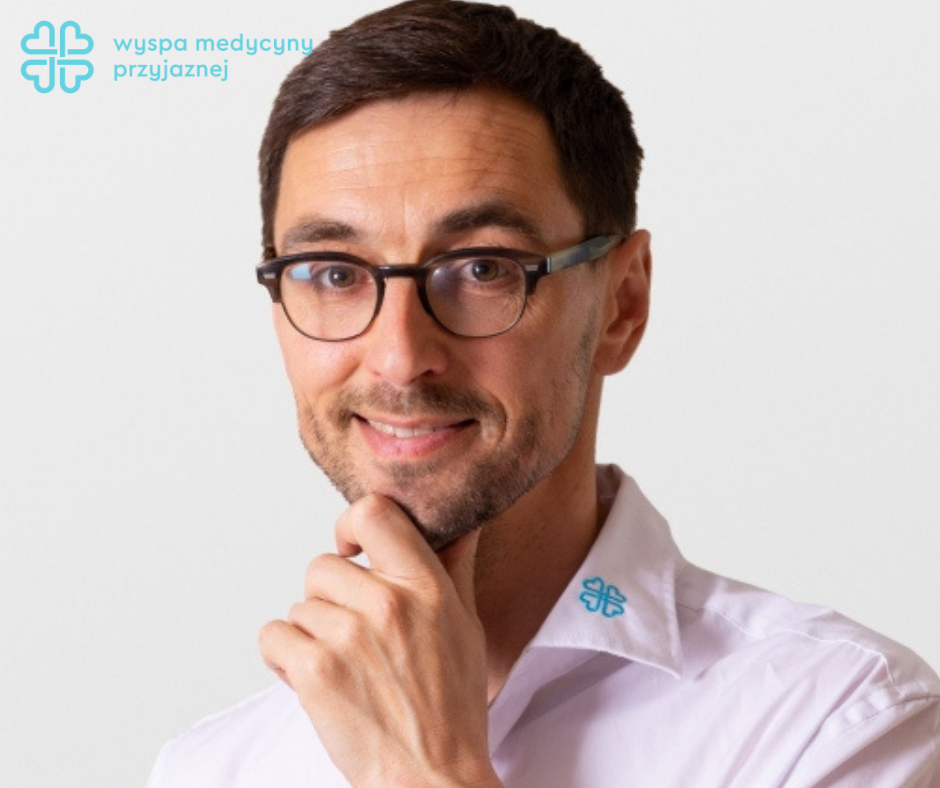
Series: Questions for a surgeon · Editorial preparation: Editorial team of Wyspa Medycyny Przyjaznej · Medical co-author: Piotr Rak, MD, PhD, specialist in general and oncological surgery, physician performing procedures in skin surgery, plastic surgery and aesthetic medicine · Medical authorization: Piotr Rak, MD, PhD - to be confirmed before publication · Publication: to be completed · Updated: 10.07.2026
This article is educational and does not replace a surgical consultation. Qualification for a procedure, type of anesthesia, scope of the procedure, preparation, recovery and follow-up are decided by the doctor after examination and analysis of the patient's health.
Key information at a glance
- Aesthetic surgery is not only "improving appearance" - it often also concerns comfort, function, pain, chafing, limitation of the field of vision or removal of a skin lesion.
- Every procedure requires qualification: discussion of the goal, examination, contraindications, medications, healing, scar and possible complications.
- Local anesthesia makes many outpatient procedures possible, but it does not mean no risk or no sensations - the patient may feel touch, pressure or pulling.
- Aspirin, anticoagulants or antiplatelet drugs must not be stopped before a procedure without medical instructions.
- Labiaplasty, eyelid surgery and lip lift are surgical procedures - they require healing, follow-up, acceptance of a scar and adherence to recommendations.
- Skin lesions that grow, bleed, change color, hurt, become irritated or look unusual require medical assessment, and sometimes dermoscopy, biopsy or histopathology.
- A good surgeon should be able to offer a procedure, but also advise against it if expectations are unrealistic or the risk outweighs the possible benefit.
- The aesthetic result depends on anatomy, technique, healing, scarring, diseases, medications, lifestyle and following recommendations.
Learn more about the specialist
This material from the "Questions for a surgeon" series was created with the participation of a doctor answering patients' questions. Before publication, it should receive final medical authorization from a specialist in general and oncological surgery who performs skin surgery, aesthetic surgery and selected aesthetic medicine procedures.
Does the "questions for a surgeon" format make sense for SEO?
Yes. Patients often search not only for procedure names, but also for answers to questions: "does eyelid surgery hurt", "how to prepare for labiaplasty", "does lip lift leave a scar", "does every skin lesion need histopathology", "is a procedure under local anesthesia safe", "when can a surgeon refuse a procedure". A Q&A format responds to these intentions and supports linking to service pages well.
In surgical topics, E-E-A-T is especially important: the doctor as medical co-author, editorial preparation, authorization, update date, sources, a realistic description of healing and an honest discussion of risk. The text should not promise no pain, no scar or a predictable result for every patient.
Is aesthetic surgery only about appearance?
Not always. Some patients come for aesthetic reasons, but very often appearance is connected with function, comfort and everyday life. Excess eyelid skin may interfere with vision or cause a feeling of heaviness. Enlargement or asymmetry of the labia may cause chafing, pain, discomfort in underwear or during activity. A skin lesion may mechanically interfere, become irritated, bleed or require diagnosis.
At the same time, not every aesthetic concern requires surgery. Sometimes the best solution is observation, conservative treatment, dermatological consultation, postponing the procedure or discussing expectations. Common sense in surgery means matching the method to the real problem, not performing a procedure because it is fashionable.
Are procedures under local anesthesia safe?
Local anesthesia is commonly used in many minor and medium outpatient procedures. It allows a specific area of the body to be anesthetized, while the patient usually remains awake. Once the anesthesia works, the patient should not feel pain in the operated area, but may feel touch, pressure, fullness or pulling.
This does not mean, however, that local anesthesia is "risk-free". Before the procedure, allergies, chronic diseases, medications, previous reactions to anesthesia, pregnancy, clotting disorders and general health must be discussed. The doctor decides on the type of anesthesia and whether the procedure can be performed on an outpatient basis.
How to prepare for labiaplasty, eyelid surgery or lip lift?
Preparation depends on the procedure, its scope, the patient's diseases and medications. The most important step is a consultation during which the doctor assesses indications, contraindications, anatomy, expectations, possible result, scar and healing time.
Before the procedure, the following are usually discussed:
- chronic diseases, allergies, previous procedures and complications,
- anticoagulants, antiplatelet drugs, aspirin, supplements and herbal preparations,
- tendency to keloids, healing disorders, diabetes and smoking,
- active infections, herpes, inflammation of the skin or mucous membranes,
- procedure date in relation to work, travel, sport and important events,
- recommendations regarding hygiene, dressings, follow-up and restrictions after the procedure.
Important: blood-thinning medications should not be stopped on your own. The decision about any change in treatment is made by the doctor after assessing bleeding risk and thromboembolic risk.
Is labiaplasty only an aesthetic procedure?
Not always. Labiaplasty may be considered for both aesthetic and functional reasons. Patients report, among other things, chafing, discomfort in underwear, pain during sport, cycling, sexual activity or difficulty accepting the appearance of the intimate area.
It is still a surgical procedure. It requires qualification and discussion of scope, risks, possible complications, healing, asymmetry, scar, influence on sensation and time to return to intercourse and physical activity. It should not be performed under pressure from a partner, fashion, pornography or an unrealistic idea of "ideal" anatomy.
Does the appearance remain natural after eyelid surgery?
The goal of well-planned blepharoplasty is usually to refresh the eye area, reduce excess skin and improve eyelid proportions, not to change the face in an exaggerated way. The result depends, however, on anatomy, skin quality, the amount of tissue removed, healing, scarring and the patient's expectations.
It should not be promised that scars will be "practically invisible" in everyone. Incisions are usually planned in natural eyelid folds, but the scar may be visible, tight, red or tender for some time. Its maturation takes months.
Lip lift - is it only a fashionable procedure?
A lip lift is a surgical procedure that shortens the distance between the base of the nose and the upper lip in selected patients. Unlike fillers, it does not add volume, but changes the position of the upper lip and the proportions of the mouth area.
It is not, however, a procedure "for everyone who wants bigger lips". It requires assessment of philtrum length, visibility of the red lip, facial expression, scarring, skin quality and expectations. It leaves a scar under the nose, usually planned in a natural fold, but its final appearance depends on healing and care. After the procedure, swelling, tightness, tenderness, bruising, temporary asymmetry and the need to limit facial expressions and activity may occur.
Does an oncological surgeon also perform aesthetic procedures?
Yes, surgical and oncological experience may also be important in aesthetic surgery and skin surgery. An oncological surgeon works daily with tissue margins, histopathology, scars, healing and assessment of lesions that may require special caution.
This does not mean that every aesthetic procedure is an oncological procedure. Rather, it means that in skin surgery and aesthetic procedures, the habit of careful qualification, caution with suspicious lesions, respect for tissues and scar planning is useful. Especially with skin lesions, it is crucial not to destroy a suspicious lesion with a method that prevents histopathological assessment if such assessment is needed.
Which skin lesions are worth consulting surgically?
Consultation is especially needed for lesions that grow, change color or shape, bleed, hurt, itch, ulcerate, become mechanically irritated, recur or look unusual. This applies to pigmented moles, subcutaneous nodules, epidermoid cysts, lipomas, warts, fibromas, inflammatory lesions and oncologically suspicious lesions.
Not every lesion needs to be removed, but every suspicious lesion needs assessment. Depending on the appearance, the doctor may suggest observation, dermoscopy, biopsy, surgical excision with histopathology or another method. The decision depends on the nature of the lesion, location, oncological risk and treatment goal.
Does surgery under local anesthesia hurt?
The injection of anesthesia itself may be briefly unpleasant - the patient may feel a prick, burning or fullness. Once the anesthesia works, pain in the operated area should be blocked, but the patient may feel touch, pressure, pulling, tension or tissue manipulation.
After the procedure, when the anesthesia wears off, pain, tenderness, swelling, bruising, wound tension and discomfort with movement are possible. The extent of these symptoms depends on the procedure. Therefore, the patient should receive individual pain-relief, care and follow-up recommendations.
When should a surgeon say "no"?
Refusing a procedure can be part of responsible medicine. A surgeon may postpone or advise against a procedure if the patient has an active infection, uncontrolled chronic diseases, excessive bleeding risk, unrealistic expectations, an important event shortly after the procedure or if the problem is not suitable for that method.
Special caution is needed when a patient expects a result "without a scar", "without recovery", "without risk" or wants to look like a filtered photo. Honest qualification should include not only what can be done, but also what is not worth doing.
When should you urgently contact a doctor after a procedure?
After every procedure, the patient should receive individual instructions. Urgent contact is especially needed in case of:
- bleeding that cannot be controlled according to instructions,
- increasing pain instead of gradual improvement,
- fever, chills or deterioration of general condition,
- pus, unpleasant smell, increased redness or increasing swelling,
- wound separation,
- dark discoloration of tissues, pale skin or signs of impaired blood supply,
- sudden asymmetry, severe eye pain, worsening vision or other concerning symptoms after eyelid procedures,
- severe allergic reaction, shortness of breath, facial swelling or general symptoms.
Are you considering a surgical or aesthetic procedure?
Start with a consultation: discuss the goal, indications, anesthesia, scar, healing, possible complications and whether the procedure truly makes sense.
Learn more about the specialist Book a visitSurgery and aesthetic procedures at Wyspa Medycyny Przyjaznej in Gdansk
On the WMP website, Piotr Rak, MD, PhD is described as a specialist in general and oncological surgery who deals with, among other things, surgery of the skin and subcutaneous tissue, surgical removal of skin lesions, moles, epidermoid cysts, lipomas and selected plastic and aesthetic surgery procedures such as labiaplasty, lip lift and eyelid surgery.
Depending on the problem, the patient may require surgical consultation, dermatological consultation, dermoscopy, biopsy, histopathology, qualification for an aesthetic procedure or postponement of the procedure. The current scope of procedures, doctor availability, prices and preparation for the visit should be confirmed during registration or consultation.
Learn more about the specialist Labiaplasty Eyelid surgery Lip lift Removal of skin lesions
What should you ask the surgeon before the procedure?
- Does my problem require a procedure, or can another approach be considered?
- What is the goal of the procedure: functional, aesthetic, diagnostic or mixed?
- What result can I realistically expect?
- What result cannot be achieved with this method?
- What type of anesthesia will be used?
- Do my medications increase bleeding risk and what should I do with them?
- Will there be a scar and where will it run?
- How long will swelling, bruising, tenderness or activity limitation last?
- When can I return to work, sport, intercourse, makeup or sun exposure?
- Will the removed material be examined histopathologically?
- What are the most common complications?
- When should I seek urgent help after the procedure?
FAQ - surgery, aesthetics and local anesthesia
Is aesthetic surgery only about appearance?
Not always. In some patients the procedure has functional importance, for example it reduces chafing, pain, eyelid heaviness, underwear discomfort or a problem with an irritating skin lesion. Every case requires qualification.
Does local anesthesia mean no pain?
Once the anesthesia works, pain in the operated area should be blocked, but the patient may feel touch, pressure, pulling or fullness. The injection of anesthesia itself may be briefly unpleasant.
Do I need to stop aspirin before a procedure?
You must not do this on your own. Anticoagulants, antiplatelet drugs and aspirin must be discussed with the doctor, because stopping them may be risky and the decision depends on the patient's diseases and the type of procedure.
Can you quickly return to sport after labiaplasty?
This should not be assumed. After labiaplasty, returning to physical activity and intercourse requires healing and the doctor's approval. Returning too quickly may increase the risk of pain, bleeding or wound separation.
Are there scars after eyelid surgery?
Yes. Every surgical incision leaves a scar. In eyelid surgery, incisions are usually planned in natural folds, but the appearance of the scar depends on healing, skin, technique and care.
Is lip lift an alternative to hyaluronic acid?
In selected patients it may be an alternative, but it works differently. Hyaluronic acid increases volume, while lip lift surgically changes the position of the upper lip and the proportions of the mouth area. It requires qualification and leaves a scar.
Does every skin lesion need removal?
No. Some lesions can be observed, but lesions that grow, bleed, hurt, become irritated, change color or look unusual require medical assessment. Sometimes dermoscopy, biopsy or histopathology is needed.
Can a surgeon refuse an aesthetic procedure?
Yes. Refusing or postponing a procedure may be appropriate when the risk is too high, expectations are unrealistic, there is an infection, diseases are not controlled or the procedure will not solve the patient's problem.
Who performs surgical and aesthetic procedures at WMP?
On the WMP website, Piotr Rak, MD, PhD is described as a specialist in general and oncological surgery performing, among others, procedures in skin surgery, plastic surgery and aesthetic surgery. The current scope of procedures should be confirmed during registration or consultation.
Sources for medical and editorial verification
- Wyspa Medycyny Przyjaznej, Piotr Rak, MD, PhD: https://www.wyspamedycynyprzyjaznej.pl/pl/dr-piotr-rak
- Wyspa Medycyny Przyjaznej, lip lift: https://www.wyspamedycynyprzyjaznej.pl/pl/lip-lift-gdansk
- Wyspa Medycyny Przyjaznej, labiaplasty: https://www.wyspamedycynyprzyjaznej.pl/pl/labioplastyka-gdansk
- Wyspa Medycyny Przyjaznej, eyelid surgery: https://www.wyspamedycynyprzyjaznej.pl/pl/plastyka-powiek
- Wyspa Medycyny Przyjaznej, removal of skin lesions: https://www.wyspamedycynyprzyjaznej.pl/pl/usuwanie-zmian-skornych
- Wyspa Medycyny Przyjaznej, removal of skin lesions with histopathology: https://www.wyspamedycynyprzyjaznej.pl/pl/usuniecie-zmian-skornych-z-badaniem-histopatologicznym-gdansk
- American Society of Anesthesiologists, Local Anesthesia: https://madeforthismoment.asahq.org/anesthesia-101/types-of-anesthesia/local-anesthesia/
- NHS, Eyelid surgery: https://www.nhs.uk/tests-and-treatments/cosmetic-procedures/cosmetic-surgery/eyelid-surgery/
- NHS, Labiaplasty: https://www.nhs.uk/tests-and-treatments/cosmetic-procedures/cosmetic-surgery/labiaplasty/
- American Academy of Dermatology, Skin biopsy wound care: https://www.aad.org/public/diseases/a-z/skin-biopsy-wound-care
- Google Search Central, Creating helpful, reliable, people-first content: https://developers.google.com/search/docs/fundamentals/creating-helpful-content
- Google Search Central, Article structured data: https://developers.google.com/search/docs/appearance/structured-data/article
- Google Search Quality Rater Guidelines: https://guidelines.raterhub.com/searchqualityevaluatorguidelines.pdf