
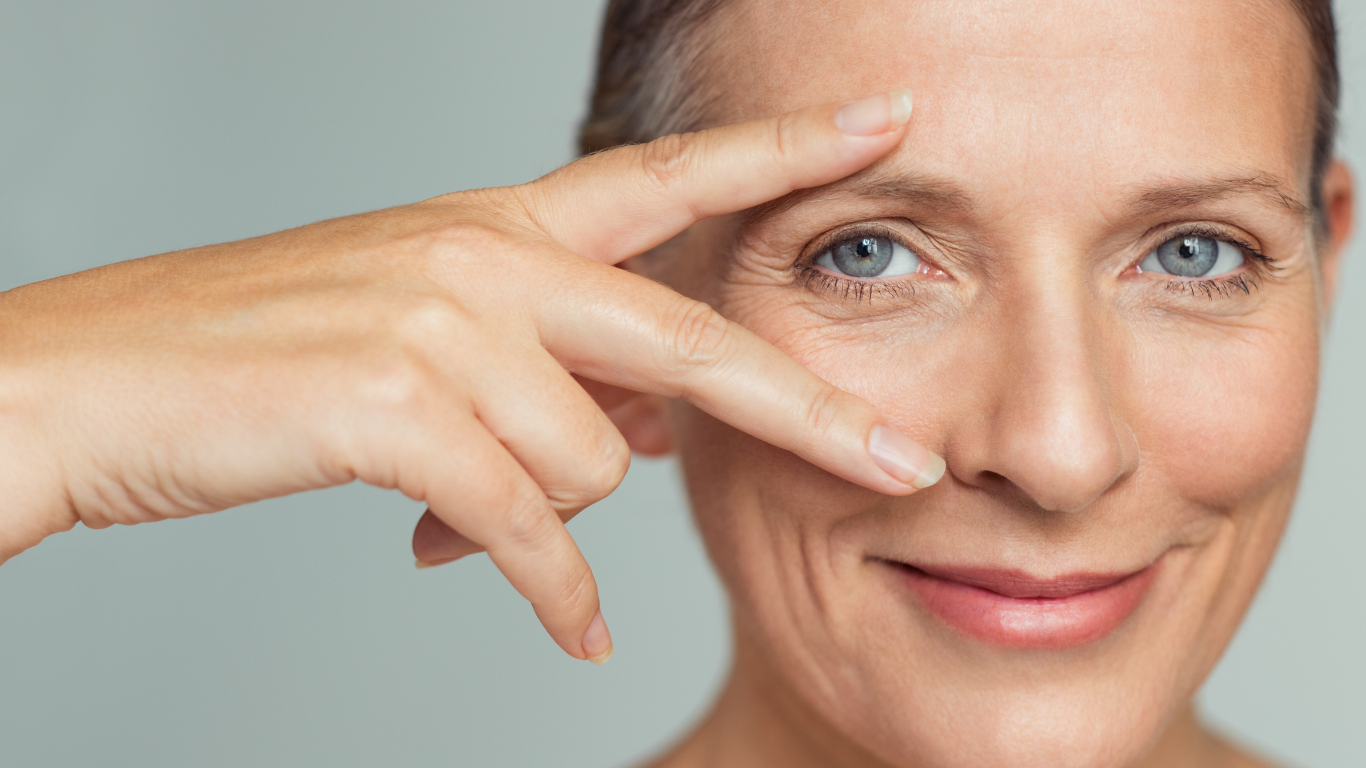
eyelid surgery · blepharoplasty · Gdansk
Eyelid surgery, or blepharoplasty, is a surgical procedure performed on the upper or lower eyelids. It can reduce excess skin, the feeling of heavy eyelids, and a "tired" appearance around the eyes. In some patients, especially with significant drooping of the upper eyelid skin, the procedure may also have functional importance.
Author: Wyspa Medycyny Przyjaznej editorial team · Medical consultation: to be confirmed before publication · Publication: to be completed · Updated: 08.07.2026
This article is educational and does not replace a medical consultation. Qualification for the procedure, the scope of correction, and possible effects are determined by the doctor after assessing the eyelids, eye condition, coexisting diseases, and the patient's expectations.
Key points at a glance
- Upper eyelid surgery mainly concerns excess skin above the eye and the feeling of heavy eyelids.
- Lower eyelid surgery may concern under-eye bags, fat herniation, and excess lower eyelid skin.
- The procedure may improve the appearance of the eye area, but it does not stop the skin ageing process.
- In some patients with significant excess upper eyelid skin, visual comfort may improve.
- After the procedure, swelling, bruising, dry eyes, temporary discomfort, and a scar at the incision site may occur.
- Before the procedure, qualification, medication review, eye diseases, blood clotting, and realistic expectations are important.
What is eyelid surgery?
Eyelid surgery, also called blepharoplasty, is a surgical procedure involving correction of eyelid tissues. Depending on the indications, the doctor may remove excess skin, correct fat herniation, eyelid tension, or other elements that affect the appearance and function of the eye area.
Patients most often come because of a drooping, heavy upper eyelid, a tired-looking gaze, excess skin above the eye, or bags under the eyes. In some people the problem is mainly aesthetic, while in others excess skin may limit the upper or side field of vision and cause a feeling of heavy eyelids.
Upper eyelid surgery and lower eyelid surgery — how are they different?
Upper eyelid surgery
Upper eyelid surgery most often involves removing excess skin from the upper eyelid. The incision is usually placed in the natural eyelid crease, so after healing the scar may be less visible. The procedure is often chosen by patients with a feeling of heavy eyelids, a tired-looking gaze, or excess skin that droops onto the eyelashes.
More information: upper eyelid surgery in Gdansk.
Lower eyelid surgery
Lower eyelid surgery concerns the area under the eyes. It may include correction of under-eye bags, fat herniation, excess skin, or lower eyelid laxity. Depending on the patient's anatomy, the incision may be made below the lash line or from the conjunctival side, meaning from the inside of the eyelid.
More information: lower eyelid surgery in Gdansk.
Who may consider eyelid surgery?
A consultation for eyelid surgery is worth considering when the following occur:
- excess upper eyelid skin,
- a feeling of heavy, tired eyelids,
- skin drooping onto the eyelashes,
- restricted field of vision caused by excess eyelid skin,
- under-eye bags or lower eyelid fat herniation,
- excess lower eyelid skin,
- asymmetry or tissue laxity around the eyes,
- dissatisfaction with the appearance of the eye area with realistic expectations.
The procedure may be performed in both women and men. Age is not the only criterion — eyelid anatomy, health condition, skin quality, eye condition, and patient expectations are important.
When can eyelid surgery improve vision?
In some patients, excess upper eyelid skin may limit the upper or side field of vision. The patient may then feel heaviness of the eyelids, raise the eyebrows, wrinkle the forehead, or tilt the head back to see better. In such cases, eyelid surgery may be not only aesthetic but also functional.
However, not every drooping eyelid is caused by excess skin. Sometimes the problem is ptosis, meaning drooping of the eyelid related to the muscle that lifts it. This is different from typical excess skin and may require different qualification and a different type of procedure.
What effects can blepharoplasty provide?
After proper qualification, eyelid surgery may reduce excess skin, improve the eyelid contour, refresh the appearance of the eye area, and reduce the impression of a tired gaze. In patients with a functional problem caused by excess upper eyelid skin, improved visual comfort may also be possible.
The effect depends on anatomy, procedure scope, skin quality, age, coexisting diseases, smoking, healing, and adherence to recommendations. The procedure does not stop ageing and does not remove all wrinkles around the eyes, such as crow's feet.
What does qualification for the procedure look like?
Qualification includes a discussion of the patient's expectations, assessment of the eyelids, skin, symmetry, eyebrow position, eyelid tension, and overall health. The doctor also asks about eye diseases, dry eyes, glaucoma, thyroid disease, blood clotting disorders, anticoagulant medication, smoking, and previous procedures around the eyes.
In some patients, an ophthalmology consultation, tear film assessment, visual field testing, or additional diagnostics may be indicated before the procedure. This applies especially to people with eye diseases, dry eyes, visual disturbances, or suspected ptosis.
How is eyelid surgery performed?
At Wyspa Medycyny Przyjaznej, eyelid surgery is described as an outpatient procedure performed under local anaesthesia. The exact scope depends on qualification and the type of procedure.
Upper eyelid surgery process
- The doctor marks the planned extent of skin removal.
- Local anaesthesia is administered.
- The incision is usually made in the natural eyelid crease.
- Excess skin is removed, and in selected cases also a small amount of fatty tissue or muscle.
- The wound is closed with fine sutures.
- The patient receives instructions on healing, cooling, hygiene, and follow-up.
Lower eyelid surgery process
In lower eyelid surgery, the technique depends on the problem: excess skin, fat herniation, lower eyelid laxity, or skin quality. The incision may be made below the lash line or from the conjunctival side. In some cases fatty tissue is removed, while in others it is repositioned to improve the lower eyelid contour.
Recovery after eyelid surgery
After the procedure, swelling, bruising, a feeling of tightness, tearing, dry eyes, or temporary sensitivity to light are typical. The intensity of symptoms is individual. In many patients, the greatest swelling and bruising gradually decrease during the first 1-2 weeks, but full healing and scar maturation take longer.
Sutures after upper eyelid surgery are usually removed after several days to about a week, according to the doctor's decision. During the first days, limiting effort, avoiding bending down, caring for wound hygiene, and using recommended preparations are important. Contact lenses, eye makeup, sauna, swimming pool, and intensive training usually require a break according to the doctor's recommendations.
Post-procedure recommendations — what should you remember?
- Use cold compresses only as recommended by the doctor.
- Sleep with your head slightly elevated during the first days if you receive this instruction.
- Do not rub your eyes or stretch the eyelid skin.
- Avoid intense physical effort until the doctor agrees.
- Do not apply makeup to a fresh wound.
- Protect the eye area from sun and wind.
- Attend follow-up and suture removal according to the plan.
- Contact your doctor urgently if increasing pain, worsening vision, heavy bleeding, purulent discharge, fever, or marked asymmetry of increasing swelling occurs.
Is eyelid surgery safe?
Eyelid surgery is a surgical procedure, so it requires qualification, asepsis, operator experience, and adherence to recommendations. In most patients healing proceeds without serious problems, but like any operation, the procedure involves risk.
Possible adverse effects and complications include swelling, bruising, bleeding, infection, dry eyes, temporary sensory disturbances, asymmetry, visible scar, difficulty fully closing the eyelids, abnormal eyelid position, need for correction, and very rare ophthalmic complications. Risk is discussed individually during consultation.
Contraindications and situations requiring caution
Not every patient can be qualified for the procedure immediately. Particular caution is required in cases such as:
- uncontrolled chronic diseases,
- blood clotting disorders,
- use of anticoagulant or antiplatelet medication,
- active skin or eye infection,
- severe dry eye syndrome,
- some thyroid diseases,
- glaucoma or other eye diseases requiring monitoring,
- tendency to abnormal scarring,
- unrealistic expectations regarding the result.
The final decision is made by the doctor after taking the medical history and performing an examination.
Are there alternatives to eyelid surgery?
For mild skin laxity or fine wrinkles, non-surgical methods may be considered, such as fractional CO2 laser, treatments improving skin quality, mesotherapy, tissue stimulators, or dermatological skincare. Their effect is different from surgical removal of excess skin.
If the problem is a clear fold of upper eyelid skin drooping onto the eyelashes, non-surgical procedures may be insufficient. The method should be chosen based on examination and qualification, not only on the expectation of a "no scalpel" solution.
How should you care for the skin around the eyes after the procedure?
After healing is complete, it is worth protecting the eye area from UV radiation, using sunscreen, sunglasses, and skincare recommended by the doctor. Good skin hydration, not smoking, and avoiding excessive sun exposure help maintain skin quality, although they do not stop the natural ageing process.
Eyelid surgery at Wyspa Medycyny Przyjaznej in Gdansk
At Wyspa Medycyny Przyjaznej in Gdansk, eyelid surgery is described as an outpatient procedure performed under local anaesthesia. Qualification, the scope of correction, and post-procedure recommendations are discussed by the doctor during consultation.
The procedure is performed, among others, by Piotr Rak, MD, PhD, a surgeon and oncological surgeon performing procedures in skin surgery, plastic surgery, and aesthetic surgery. The current scope of upper and lower eyelid procedures should be confirmed during registration.
FAQ — eyelid surgery
Does eyelid surgery remove wrinkles around the eyes?
Eyelid surgery removes excess skin and corrects selected eyelid tissues, but it is not a procedure that removes all expression wrinkles, such as crow's feet. For such concerns, additional aesthetic medicine methods are sometimes considered.
Is the effect of eyelid surgery permanent?
The effect may last a long time, but the skin ageing process continues. Eyelid appearance is influenced by genetics, skin quality, sun exposure, smoking, body weight fluctuations, and individual healing.
Are scars left after eyelid surgery?
Every surgical incision leaves a scar. In upper eyelid surgery, the incision is usually placed in the natural eyelid crease, which may reduce its visibility after healing. The final appearance of the scar depends on healing and care.
When can you return to work after eyelid surgery?
This depends on the scope of the procedure and the type of work. Swelling and bruising are usually most visible during the first days, and many patients plan social downtime of about 1-2 weeks. Exact recommendations are provided by the doctor.
Does eyelid surgery improve vision?
It may improve visual comfort in patients whose excess upper eyelid skin restricts the field of vision. This does not apply to every case, so individual qualification is needed.
Is the procedure performed under general anaesthesia?
Many eyelid surgeries, especially upper eyelid procedures, are performed under local anaesthesia. The type of anaesthesia depends on the scope of the procedure, the patient's condition, and the doctor's decision.
Is lower eyelid surgery the same as removing bags under the eyes?
Not always. Under-eye bags may result from fat herniation, swelling, skin laxity, dark circles, or facial structure. Lower eyelid surgery is one method for treating selected problems, but it requires careful qualification.
Can eyelid surgery be performed in summer?
Yes, if the patient follows the doctor's recommendations. Sun protection, avoiding overheating, using sunglasses, and proper wound care are especially important.
Sources for medical verification
- American Society of Plastic Surgeons, Eyelid Surgery Risks and Safety: https://www.plasticsurgery.org/cosmetic-procedures/eyelid-surgery/safety
- NHS, Eyelid surgery: https://www.nhs.uk/tests-and-treatments/cosmetic-procedures/cosmetic-surgery/eyelid-surgery/
- Cleveland Clinic, Blepharoplasty: https://my.clevelandclinic.org/health/treatments/8409-eyelid-surgery-blepharoplasty
- American Academy of Ophthalmology, Eyelid Surgery: https://www.aao.org/eye-health/treatments/eyelid-surgery
- Cahill KV et al., Functional indications for upper eyelid ptosis and blepharoplasty surgery, PubMed: https://pubmed.ncbi.nlm.nih.gov/22019388/
- Wyspa Medycyny Przyjaznej, eyelid surgery: https://www.wyspamedycynyprzyjaznej.pl/en/plastyka-powiek
- Wyspa Medycyny Przyjaznej, upper eyelid surgery: https://www.wyspamedycynyprzyjaznej.pl/en/plastyka-powiek-gdansk
- Wyspa Medycyny Przyjaznej, Piotr Rak, MD, PhD: https://www.wyspamedycynyprzyjaznej.pl/en/dr-piotr-rak