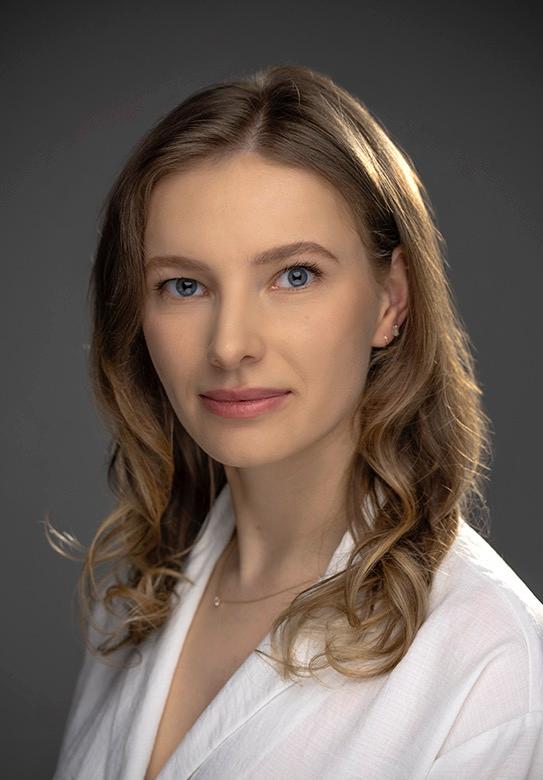

Author: Wyspa Medycyny Przyjaznej Editorial Team · Medical review: Sara Godyńska, MD, proctologist · Published: 1 March 2026 · Updated: 16 June 2026
More and more women choose a female proctologist because it can help them feel more comfortable and secure during an intimate consultation. The doctor’s gender does not determine the quality of diagnosis, but the patient’s comfort may make it easier to speak openly about pain, bleeding, postpartum problems and other embarrassing symptoms.
Learn what happens during a proctology consultation →
| Can I choose a female doctor? | yes, if it makes the patient feel more comfortable |
| What matters most? | knowledge, experience, empathy and a gentle examination |
| First appointment | discussion, examination and additional diagnostic tests when indicated |
| Preparation | special preparation is usually not required |
| Possible examination | when necessary, anoscopy |
A proctological examination concerns a very intimate area of the body. For some patients, speaking with a woman reduces embarrassment, tension and fear of being judged. This may make it easier to describe symptoms accurately, explain how long they have been present and identify situations in which they become worse.
This does not mean that every woman needs to see a female doctor. For one patient, the doctor’s gender may be important, while for another it may make no difference at all. What matters most is feeling safe and being able to ask questions freely.
“The doctor’s gender may affect the patient’s comfort, but the symptoms, an accurate diagnosis and effective treatment remain the most important considerations.”
Sara Godyńska, MD, proctologist
No. The quality of a consultation depends primarily on medical knowledge, experience, a thorough examination and the way the doctor communicates. The doctor assesses the patient’s symptoms and health, not her appearance, gender, sexual orientation or personal choices.
Comfort may nevertheless have an indirect effect. A patient who feels safe usually finds it easier to talk about bleeding, pain during bowel movements, itching, difficulties controlling gas or stool and problems that developed after pregnancy or childbirth.
Pregnancy and childbirth may contribute to constipation, haemorrhoids, anal fissures, pain during bowel movements and weakening of the pelvic floor muscles. Some women find it easier to discuss these symptoms with a female doctor, especially when they also involve a postpartum scar, faecal incontinence or pain around the perineum.
These problems should not be treated as something a woman simply has to accept after childbirth. Persistent or worsening symptoms require an individual medical assessment. More information is available in our article: proctological problems after childbirth.
The first stage is a calm discussion about the symptoms, how long they have been present, bowel habits, previous pregnancies and births, chronic conditions and medications. The doctor then proposes the appropriate examination and explains each stage.
The appointment may include an assessment of the anal area, a brief digital rectal examination and, when indicated, anoscopy. The patient should be told why a particular examination is necessary and may report pain, anxiety or the need for a break at any time.
The appointment is described in more detail on our page: proctology consultation in Gdańsk.
Practical information is also available in our guide: how to prepare for a proctology appointment.
You should seek medical advice particularly if you experience:
You should not assume that every symptom is caused only by haemorrhoids. Similar complaints may have different causes, which is why the first step should be a proctological assessment.
Yes. A patient can choose a female proctologist if this increases her sense of safety and makes it easier to discuss intimate symptoms. The most important factors are the doctor’s experience, a gentle approach to the examination and clear explanations of each stage of the consultation and diagnostic process.
No. The doctor’s gender does not determine the quality of diagnosis or treatment. Medical knowledge, experience, a thorough examination and communication with the patient are what matter. Choosing a female or male doctor may, however, affect the patient’s personal comfort and make it easier to describe symptoms openly.
Some patients feel more comfortable with a female proctologist because the consultation concerns a very intimate area of the body. Speaking with a woman may reduce embarrassment and make it easier to discuss pain, bleeding, bowel problems or changes following childbirth. This remains an individual preference.
Yes. A female proctologist can diagnose and treat problems that develop after pregnancy or childbirth, including haemorrhoids, anal fissures, pain during bowel movements and difficulties controlling gas or stool. The scope of diagnosis and treatment depends on the symptoms and the findings of the examination.
Embarrassment or fear of the examination should not delay diagnosis.
Book a consultation onlineThis information is general and does not replace a medical consultation. The doctor determines the appropriate diagnostic tests and treatment after examining the patient.