
ask a specialist · aesthetic medicine · natural result · aesthetic surgery · Gdansk
Good aesthetic medicine does not begin with choosing a product or procedure. It begins with a conversation: what the patient wants to change, why now, whether expectations are realistic, and whether the procedure truly makes sense. In this Q&A, we explain when a treatment may help, when it is worth waiting, and why a natural result requires not only technique, but also restraint.
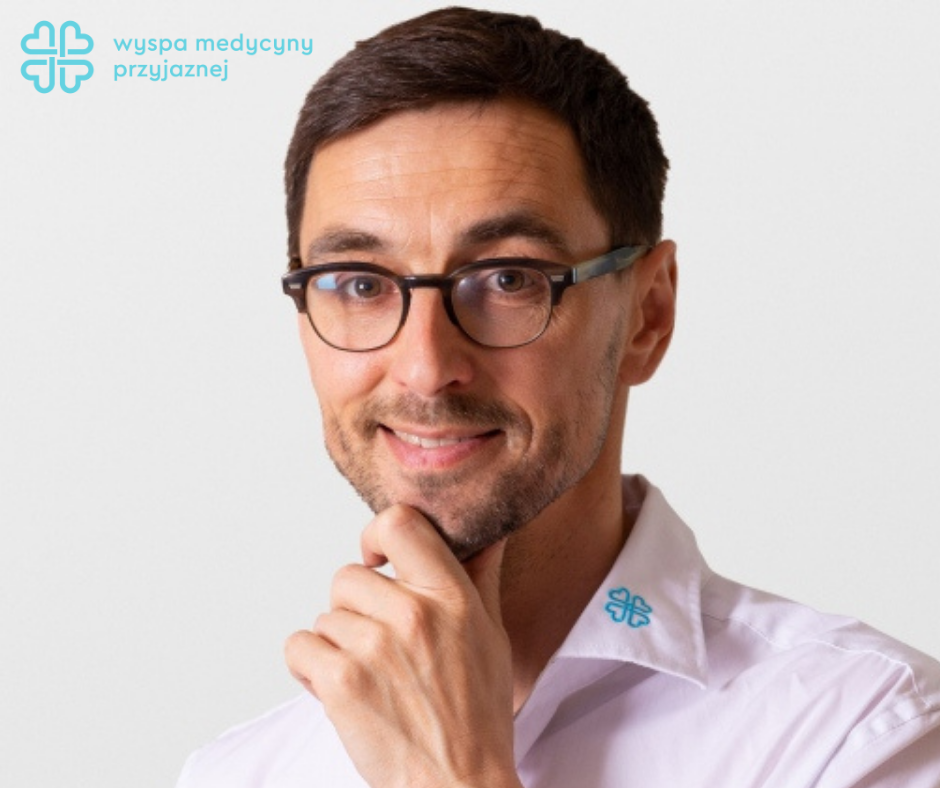
Series: Ask a specialist · Editorial preparation: Wyspa Medycyny Przyjaznej editorial team · Medical co-author: Piotr Rak, MD, PhD, specialist in general and oncological surgery, physician performing aesthetic medicine procedures · Medical approval: Piotr Rak, MD, PhD - to be confirmed before publication · Publication: to be completed · Updated: 10.07.2026
This article is educational and does not replace a medical consultation. Aesthetic medicine and aesthetic surgery procedures require qualification, discussion of contraindications, risks, possible results, recovery and alternatives.
Key information in brief
- Aesthetic medicine should not be about "changing the face", but about careful qualification and matching the procedure to the patient's anatomy, age, skin and expectations.
- A natural result is not guaranteed - it depends on qualification, technique, dose, healing, anatomy and the individual tissue response.
- The first consultation should include a discussion of the goal, motivation, previous procedures, illnesses, medications and contraindications.
- Not every patient should have a procedure on the day of consultation; sometimes the best decision is to postpone the procedure or refuse it.
- Unrealistic expectations, pressure from others, wanting to look like a filter, or intense distress despite a normal appearance require a particularly careful conversation.
- Botulinum toxin, biostimulators, mesotherapy, surgical procedures and removal of skin lesions have different goals, risks and durations of effect.
- Surgical procedures such as eyelid surgery, lip lift or labiaplasty are medical procedures - they require healing, follow-up and leave a scar.
- A good treatment plan should be individual, calm and gradual, not based on social media trends.
Learn more about the specialist
This material from the "Ask a specialist" series was prepared with the participation of a physician answering patients' questions. Before publication, it should receive final medical approval from the doctor performing aesthetic surgery, skin surgery and aesthetic medicine procedures.
Does the "ask a specialist" format make sense for SEO?
Yes. Today, patients search not only for procedure names, but also for answers to questions such as: "what does an aesthetic medicine consultation look like", "can you overdo botulinum toxin", "when should a doctor refuse a procedure", "how to achieve a natural result", "does aesthetic medicine hurt", and "what should I choose: toxin, a biostimulator or surgery". The Q&A format responds well to these search intents.
In aesthetic topics, E-E-A-T is especially important: a doctor as medical co-author, editorial preparation, approval, update date, sources and honest description of limitations. The text should not promise rejuvenation, confidence or a "natural result" to every patient.
What distinguishes a good approach to aesthetic medicine?
A good approach begins with a conversation, not with a procedure. The doctor should first understand what the patient wants to change: whether it is a wrinkle, excess skin, a drooping eyelid, lip proportions, skin quality, a scar, asymmetry or an overall tired appearance.
Then it is necessary to assess whether the problem can be solved medically and whether the procedure is truly the best answer. Sometimes botulinum toxin will be appropriate, sometimes a biostimulator, sometimes surgery, and sometimes an honest conversation that expectations are unrealistic or that it is better not to perform the procedure.
In aesthetic medicine, "less" often means safer and more predictable. A gradual plan gives more control over the result than quickly performing several procedures at once.
Is aesthetic medicine only about fighting wrinkles?
No. Wrinkles are only one reason for consultation. Patients also come because of skin quality, loss of firmness, discoloration, scars, asymmetry, excess eyelid skin, lip proportions, drooping of the upper lip, skin lesions or the need to improve the appearance of the intimate area.
In practice, different groups of procedures should be separated:
- injection procedures - e.g. botulinum toxin, hyaluronic acid, selected biostimulators,
- procedures improving skin quality - e.g. mesotherapy, skin stimulation, regenerative treatments,
- surgical procedures - e.g. eyelid surgery, lip lift, labiaplasty, surgical removal of skin lesions,
- diagnostic and surgical procedures - e.g. removal of a skin lesion with histopathological examination when indicated.
These are different procedures, with different risks, healing times and ranges of possible results. Therefore, they should not be put into one category as "quick beauty improvement".
What does the first aesthetic medicine consultation look like?
The first consultation should be a calm conversation and medical assessment. The doctor asks about expectations, previous procedures, diseases, medications, allergies, tendency to keloids, infections, autoimmune diseases, pregnancy, breastfeeding, coagulation disorders and previous complications after aesthetic procedures.
Analysis of the face or treatment area is also important: proportions, asymmetry, facial expression, skin tension, tissue quality, scar location, skin thickness and what can be achieved without an exaggerated effect. The patient should hear not only what can be done, but also what is better avoided.
A good treatment plan should include the goal, order of procedures, approximate healing time, possible adverse effects, alternatives and the point at which further corrections should stop.
When should a doctor say "no"?
Refusing a procedure may be a form of medical responsibility. The doctor should consider postponing or refusing a procedure when there are no indications, the risk exceeds the possible benefit, expectations are unrealistic or the patient is making the decision under pressure.
Particular caution is needed when the patient:
- wants to look like a filtered photo or a specific person from the internet,
- expects a guaranteed result without risk,
- is dissatisfied with many previous procedures performed by different doctors,
- demands a procedure despite lack of indications,
- downplays healing, scars and possible complications,
- describes very intense distress despite a minor or hard-to-confirm aesthetic problem,
- makes the decision under pressure from a partner, social media or an important event in a few days.
In such situations, a better approach may be time to think, a follow-up consultation, comparative photos, a psychological conversation or giving up the procedure.
What procedures does Dr Piotr Rak perform?
The current range of procedures should always be confirmed during registration or consultation. On WMP pages, Piotr Rak, MD, PhD is indicated, among others, for procedures in aesthetic surgery, skin surgery and aesthetic medicine.
Procedures discussed on WMP pages include, among others:
- botulinum toxin - including mimic areas of the face, after qualification and discussion of duration of effect and contraindications,
- eyelid surgery - a surgical procedure requiring qualification, healing and discussion of the scar,
- lip lift - surgical lifting of the upper lip in selected patients,
- labiaplasty - a procedure in the intimate area, where function, comfort, anatomy and realistic expectations are all important,
- surgical removal of skin lesions - with qualification and, when indicated, histopathological examination,
- selected procedures improving skin quality - depending on the current offer, skin condition and contraindications.
Not every procedure performed in an aesthetic medicine office is "small". Surgical procedures require particularly careful qualification, a healing plan, consent, follow-up and acceptance of a scar.
Can aesthetic procedures be overdone?
Yes. Overdoing it may involve too much product, procedures performed too often, combining many procedures at once, ignoring facial proportions or making further corrections despite a good result. The pursuit of an image from social media that does not match the patient's natural anatomy may also be a problem.
A natural result often comes not from the number of procedures, but from restraint, the right sequence and the ability to stop. The patient should have the right to hear from the doctor: "I do not recommend this", "it is worth waiting with this", or "this procedure will not solve the problem you describe".
Are aesthetic medicine procedures painful?
Sensations depend on the type of procedure, area, pain threshold and anesthesia used. For some procedures, cooling or an anesthetic cream is sufficient; for others, local anesthesia is used, and some surgical procedures require more extensive preparation.
The patient may feel a prick, burning, pressure, pulling, compression or discomfort. After the procedure, swelling, bruising, tenderness, temporary asymmetry, a feeling of tension, a scar or the need to limit activity may occur. Therefore, before the procedure, both the procedure itself and the period after it must be discussed.
Do men also use aesthetic medicine?
Yes. Men increasingly seek procedures intended to give the most discreet possible effect: a less tired appearance, improved skin quality, reduction of excessive facial muscle tension, treatment of excessive sweating, scar correction or removal of skin lesions.
In men, it is especially important to preserve the character of the face and avoid an exaggerated effect. Procedures are planned differently for a patient who wants to look fresher and for a person who wants to change facial features. As with women, qualification, proportions and a realistic goal are most important.
Some men also use aesthetic urology consultations, but this is a separate area requiring urological assessment, discussion of sexual function, anatomy, contraindications and expectations.
How long do treatment results last?
It depends on the procedure. The effect of botulinum toxin is temporary and usually lasts several months. Biostimulators, mesotherapy and procedures improving skin quality work differently - some effects build gradually and require a series or follow-up. Surgical procedures may give a longer-lasting result, but they do not stop aging, facial expression, gravity or skin changes.
It is worth discussing not only "how long the effect lasts", but also when the result is assessed, when a possible correction can be performed, what is normal swelling and what requires follow-up. With surgical procedures, the final appearance of the scar and tissues may settle over many months.
How does a surgical approach differ from typical office-based aesthetic procedures?
A doctor with surgical experience also looks at tissues through the lens of anatomy, scarring, healing, skin tension, the risk of bleeding and infection, and what can be repaired versus what is better left untouched. This is especially important for procedures such as eyelid surgery, lip lift, labiaplasty or removal of skin lesions.
Injection and surgical procedures can complement each other, but they should not be performed randomly. Sometimes surgery should come first, sometimes skin quality should be improved first, and sometimes it is best to give up the procedure altogether if the problem cannot be solved with a given method.
What are the most common mistakes patients make before a procedure?
The most common mistakes usually result from haste, pressure and marketing. It is worth avoiding them because they affect safety and satisfaction with the result.
- choosing a procedure based on a trend rather than indications,
- expecting a result like a filter or edited photo,
- hiding previous procedures and complications,
- having a procedure just before an important event, without time for swelling and healing,
- combining too many procedures at once,
- ignoring contraindications, medications and chronic diseases,
- not accepting that after the procedure there may be swelling, bruising, temporary asymmetry or a scar,
- looking for a doctor who will "agree to everything".
When should you contact a doctor urgently after a procedure?
Warning symptoms depend on the procedure, but after aesthetic and surgical procedures urgent contact is especially required in case of:
- increasing pain instead of gradual improvement,
- fever, chills or feeling unwell,
- severe, rapidly increasing swelling,
- purulent discharge, unpleasant smell or increased redness,
- bleeding that cannot be controlled according to instructions,
- sudden asymmetry, vision disturbances, severe eye pain or other worrying symptoms after procedures around the eyelids,
- severe pain, paleness, bruising or impaired blood supply to the skin after injection procedures,
- wound separation after surgery,
- allergic reaction, shortness of breath, facial swelling or general symptoms.
The patient should receive individual post-procedure instructions after every procedure, including information on which symptoms are typical and which require urgent contact.
Are you considering an aesthetic medicine procedure?
Start with a consultation: discuss the goal, anatomy, contraindications, possible results, risks, healing and whether the procedure truly makes sense.
Aesthetic medicine consultation Book an appointmentAesthetic medicine at Wyspa Medycyny Przyjaznej in Gdansk
On WMP pages, Piotr Rak, MD, PhD is described as a general and oncological surgeon and a physician performing aesthetic medicine procedures. In everyday practice, he places particular importance on careful qualification, treatment safety and the most harmonious possible result.
Depending on the problem, the patient may need an aesthetic medicine consultation, surgical consultation, dermatological consultation or qualification for a procedure. The current range of procedures, doctor's availability, prices and recommendations should be confirmed during registration or consultation.
Learn more about the specialist Botulinum toxin Eyelid surgery Lip lift
What should you ask the doctor before a procedure?
- Does this procedure really address my problem?
- What result can I realistically expect?
- What result cannot be achieved with this method?
- Are there less invasive alternatives?
- What are the contraindications in my case?
- What are the most common adverse effects and complications?
- How long do swelling, bruising or healing last?
- Will there be a scar?
- When can I return to work, sport, makeup or sun exposure?
- When is the final result assessed?
- What will we do if the result is too weak, too strong or asymmetric?
- Would it be better in my situation to wait or give up the procedure?
FAQ - natural result and a healthy approach to aesthetic medicine
Is aesthetic medicine only for wrinkles?
No. It may involve skin quality, proportions, scars, asymmetry, excess skin, drooping eyelids, lips, skin lesions or other problems. Every case requires qualification.
Can a natural result be guaranteed?
No. A natural result depends on anatomy, technique, dose, qualification, healing and patient expectations. The doctor may aim for a harmonious result, but should not guarantee it.
Can aesthetic procedures be overdone?
Yes. The risk of overdoing it increases with procedures performed too often, unrealistic expectations, social media pressure and lack of a plan. Sometimes the best decision is a break or refusal of the procedure.
Can a doctor refuse an aesthetic procedure?
Yes. A doctor may refuse if there are no indications, the risk is too high, expectations are unrealistic or the patient is making the decision under pressure.
Do aesthetic medicine procedures hurt?
Sensations depend on the procedure and the patient. A prick, burning, pressure, compression or discomfort may occur. Cooling, anesthetic cream or local anesthesia is used in some procedures.
How long does botulinum toxin work?
The effect of botulinum toxin is temporary. The WMP website states that the onset of effect most often appears after a few days, the full effect around 10-14 days after the procedure, and the duration is usually about 3-6 months.
Does surgery give a permanent result?
Not completely. Surgical procedures may give a longer-lasting result than temporary procedures, but they do not stop aging, gravity, skin changes or facial expressions. They also leave a scar and require healing.
Do men use aesthetic medicine?
Yes. Men seek help for a tired appearance, skin quality, excessive sweating, mimic wrinkles, scars or skin lesions, among other reasons. The plan should preserve natural proportions and the character of the face.
Who performs aesthetic medicine procedures at WMP?
On WMP pages, Piotr Rak, MD, PhD is described as a general and oncological surgeon and a physician performing aesthetic medicine procedures. The current range of procedures should be confirmed during registration or consultation.
Sources for medical and editorial verification
- Wyspa Medycyny Przyjaznej, Piotr Rak, MD, PhD: https://www.wyspamedycynyprzyjaznej.pl/pl/dr-piotr-rak
- Wyspa Medycyny Przyjaznej, botulinum toxin: https://www.wyspamedycynyprzyjaznej.pl/pl/podanie-toksyny-botulinowej
- Wyspa Medycyny Przyjaznej, aesthetic medicine consultation: https://www.wyspamedycynyprzyjaznej.pl/pl/konsultacja-medycyna-estetyczna-gdansk
- Wyspa Medycyny Przyjaznej, eyelid surgery: https://www.wyspamedycynyprzyjaznej.pl/pl/plastyka-powiek
- Wyspa Medycyny Przyjaznej, lip lift: https://www.wyspamedycynyprzyjaznej.pl/pl/lip-lift-gdansk
- Wyspa Medycyny Przyjaznej, aesthetic medicine price list: https://www.wyspamedycynyprzyjaznej.pl/pl/cennik-medycyna-estetyczna
- Screening for body dysmorphic disorder in patients undergoing cosmetic procedures protects patients and practitioner, JAAD: https://www.sciencedirect.com/science/article/pii/S0190962225030130
- Cosmetic Surgery and Body Dysmorphic Disorder - An Update, PMC: https://pmc.ncbi.nlm.nih.gov/articles/PMC5986110/
- A Review of Body Dysmorphic Disorder in Aesthetic Surgery Patients and the Legal Implications, PubMed: https://pubmed.ncbi.nlm.nih.gov/28204935/
- Google Search Central, Creating helpful, reliable, people-first content: https://developers.google.com/search/docs/fundamentals/creating-helpful-content
- Google Search Central, Article structured data: https://developers.google.com/search/docs/appearance/structured-data/article
- Google Search Quality Rater Guidelines: https://guidelines.raterhub.com/searchqualityevaluatorguidelines.pdf