

Fat Transfer (Lipotransfer)
Are you looking for a natural way to rejuvenate your face, neck, décolletage or hands? Lipotransfer, also known as autologous fat grafting, is a surgical procedure used to contour tissues and restore volume without synthetic fillers. Individual medical assessment is required.
The first step is a surgical consultation. The doctor will assess the indications and discuss the procedure and its potential risks.
surgeon, surgical oncologist
fat taken from the patient, not an artificial filler
contouring of the donor area and volume restoration in the recipient area
each case is assessed by a doctor before the procedure is recommended
Mon–Fri, 9:00 am–8:00 pm
What is lipotransfer?
Lipotransfer (fat transfer, fat grafting) is a surgical procedure in which fat tissue is harvested from one area of the patient’s body and transferred to another to restore lost volume or improve contours. No synthetic fillers are used because the graft consists of the patient’s own tissue.
Lipotransfer is primarily used in areas affected by tissue volume loss, most commonly the face, neck, décolletage and hands. The decision to proceed requires an individual surgical assessment.
Important: lipotransfer is a surgical procedure. It requires anaesthesia and carries risks typical of surgery. The durability of the results varies between patients, and part of the transferred fat may be reabsorbed by the body. The doctor will discuss the details during the consultation.
How is lipotransfer performed?
The procedure consists of several stages performed during one surgical session:
- Fat harvesting — an appropriate amount of fat tissue is collected using gentle liposuction from a selected donor area, most commonly the abdomen, thighs or hips.
- Graft preparation — the harvested tissue is purified and prepared in accordance with the technical requirements of the procedure.
- Fat injection — the prepared fat is precisely injected into selected recipient areas, such as the face, neck, décolletage, hands or other indicated sites.
The extent of the procedure, technique and type of anaesthesia are determined individually by the surgeon during the assessment consultation.
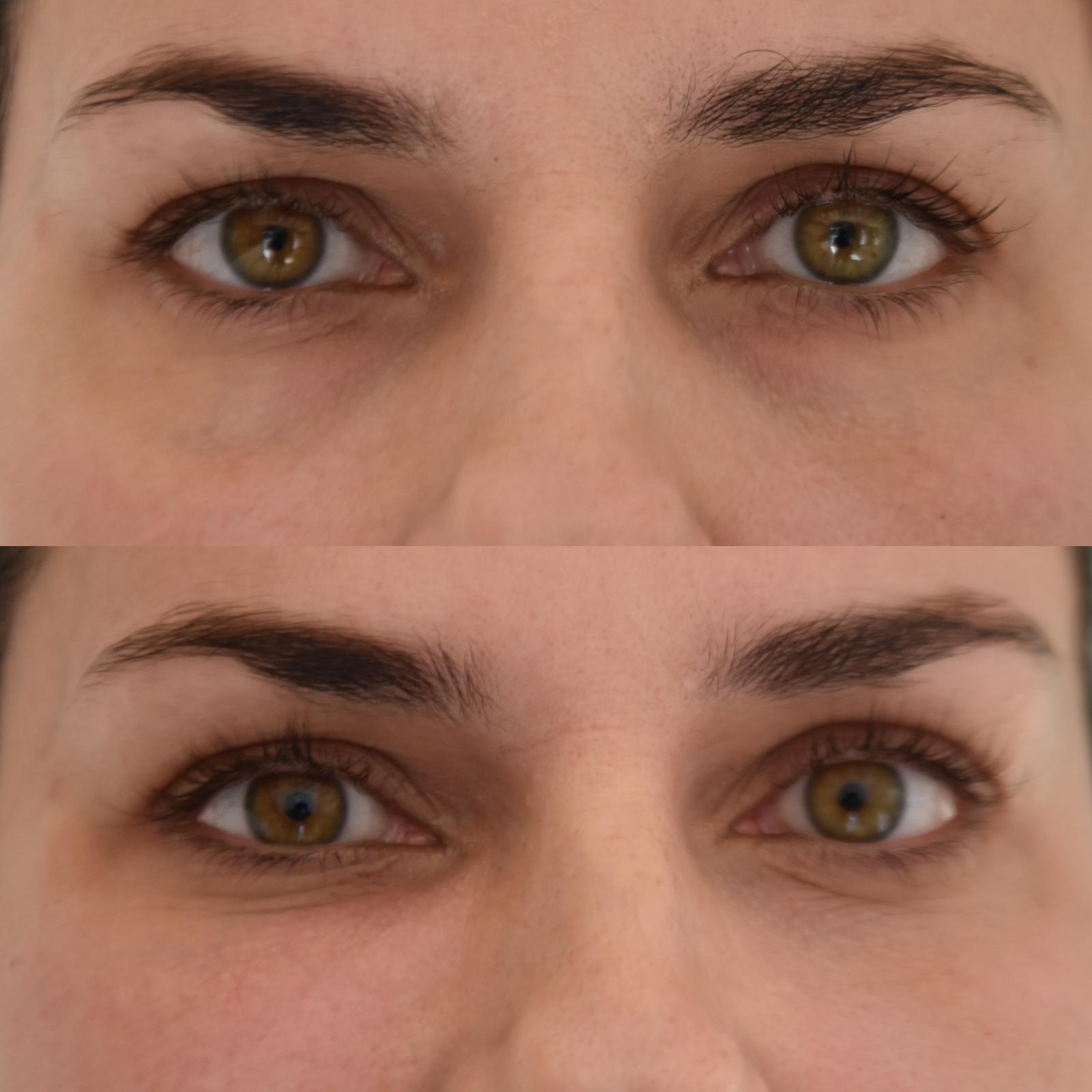
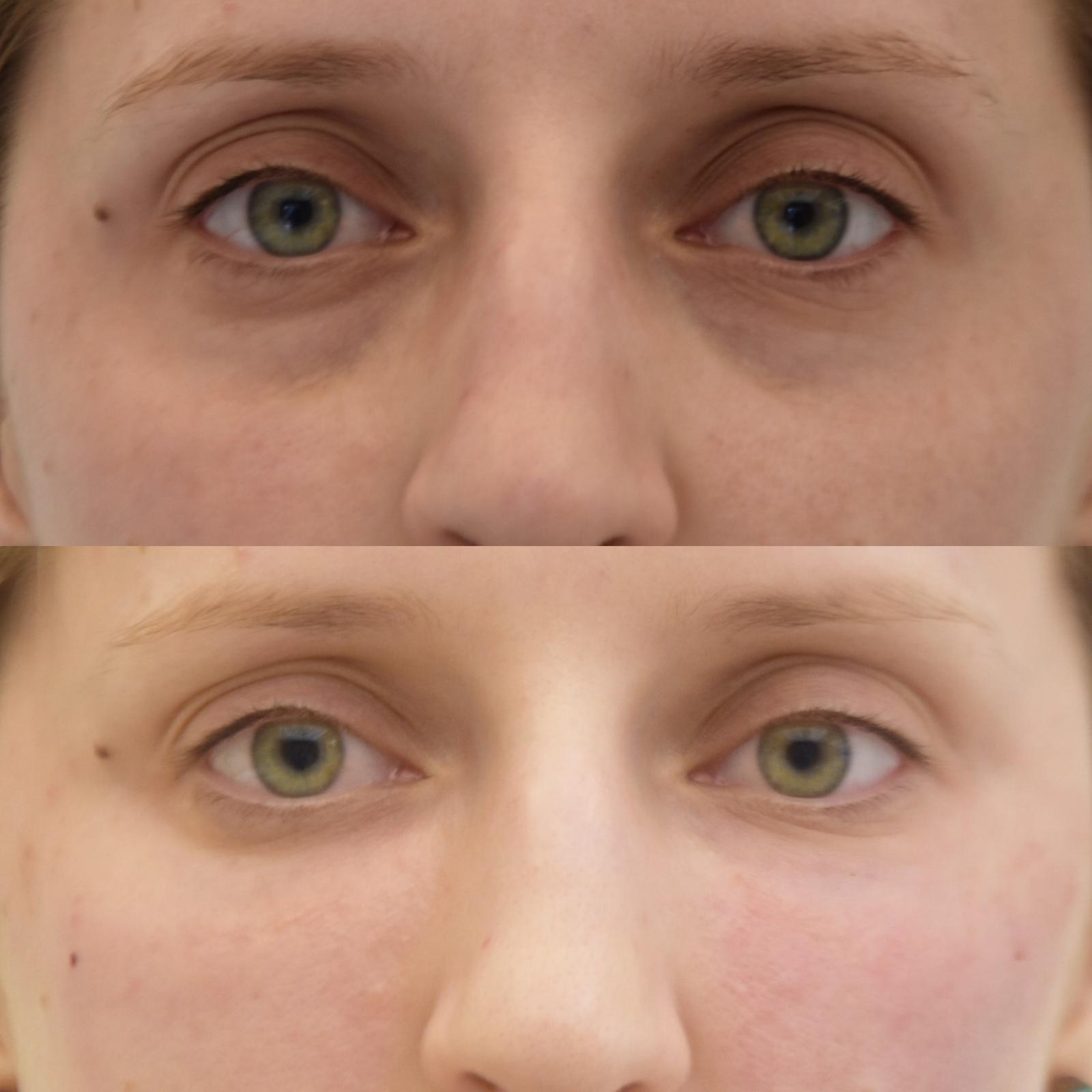
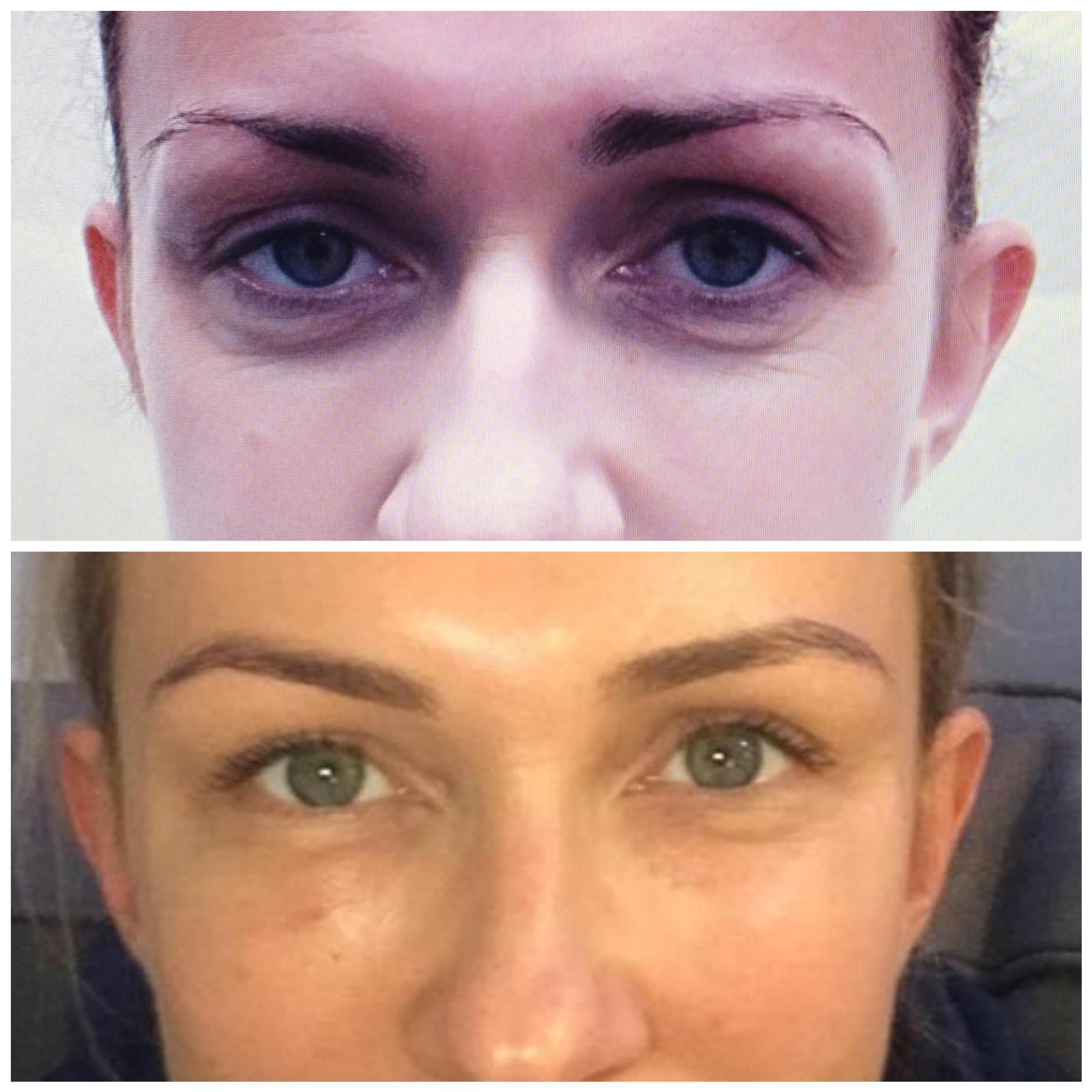
Who may be considered for lipotransfer?
A surgeon may consider the procedure for patients who wish to:
- restore lost volume and rejuvenate the face, neck, décolletage or hands,
- improve body contours using their own tissue,
- avoid synthetic fillers while accepting the surgical nature of the procedure,
- achieve a twofold effect: reduction of the donor area and volume restoration in the recipient area.
The assessment is performed by a surgeon during a consultation. Not every patient is a suitable candidate for lipotransfer. The doctor assesses factors such as the amount of available donor tissue, skin quality, general health and the patient’s expectations.
How long do the results last?
Part of the transferred fat may remain in the recipient area long term, while some may be reabsorbed by the body as part of a natural biological process. The degree of absorption varies and is difficult to predict before the procedure. The surgeon will discuss realistic expectations during the assessment consultation.
What is recovery like?
Healing varies between patients and depends on the extent of the procedure and general health. Typical aspects of recovery include:
- swelling and bruising in the donor and recipient areas, which gradually subside,
- avoiding strenuous physical activity for the period advised by the surgeon,
- following skin-care instructions and attending post-procedure check-ups,
- results becoming visible after the swelling subsides, with timing varying between patients.
The doctor discusses detailed aftercare instructions individually with each patient before and after the procedure.
What does a consultation before lipotransfer include?
A consultation is a mandatory step before any surgical procedure.
The surgeon assesses the donor and recipient areas, skin condition, amount of available fat, coexisting medical conditions and the patient’s expectations. The doctor determines whether the procedure is appropriate in the individual case.
The doctor explains the procedure, potential complications, recovery and realistic expectations regarding the durability of the results. The patient has time to ask questions before making a decision.
If there are no contraindications and the patient gives informed consent, the surgeon sets the date, extent and type of anaesthesia and provides information about the required preoperative tests.
Surgeon performing the procedure
A surgeon and surgical oncologist experienced in fat grafting. He assesses patients, discusses the treatment plan and performs the harvesting and transfer of autologous fat tissue.
Lipotransfer involves fat harvesting through limited liposuction, preparation of the graft and its precise injection. Each stage is performed by the same surgeon, ensuring continuity of planning, procedural safety and appropriate selection of the donor and recipient areas.
Would you like to find out whether lipotransfer is suitable for you?
Book a surgical consultation with Piotr Rak, MD. The doctor will assess the indications and answer your questions.
Frequently asked questions about lipotransfer
How does lipotransfer differ from hyaluronic acid fillers?
Lipotransfer uses the patient’s own fat tissue, whereas fillers are synthetic or naturally derived substances injected without a surgical fat-harvesting procedure. Lipotransfer is more extensive because fat must first be collected, but it does not introduce foreign filler material into the body. The doctor discusses the choice of method during the consultation.
Does transferred fat remain permanently?
Some of the transferred fat may be reabsorbed by the body, which is a natural process. The degree of absorption varies between patients. Fat that successfully integrates may remain long term, although the body’s natural ageing processes continue. The doctor discusses realistic expectations before the procedure.
Where is the fat for grafting harvested from?
Most commonly from the abdomen, thighs or hips. The surgeon selects the donor area during the consultation according to the available amount of fat and the patient’s needs.
When are the results of lipotransfer visible?
The contouring results become visible after the swelling subsides. This varies between patients and may take several to a dozen weeks. The surgeon explains the expected healing process during the consultation.
How can I book a consultation at Wyspa Medycyny Przyjaznej?
A consultation with Piotr Rak, MD can be booked by calling 600 006 913, via WhatsApp or through ZnanyLekarz.
Related services at Wyspa Medycyny Przyjaznej
Non-surgical rejuvenation and contouring treatments, including fillers, botulinum toxin and others.
Details →Contouring of the face and neck through surgical removal of fat tissue.
Details →The surgeon’s profile, scope of services and available appointment dates.
Profile and appointments →Hand rejuvenation using fillers and lipotransfer — procedure details.
Details →Book a consultation in Gdańsk
Lipotransfer assessment, procedure planning and answers to your questions with Piotr Rak, MD.
The information on this page is for general educational purposes and does not replace a medical consultation. Lipotransfer is a surgical procedure. Assessment, information about risks and the decision to perform the procedure are solely the responsibility of the doctor. The durability of the results varies between patients. Wyspa Medycyny Przyjaznej, 15 Toruńska Street, unit AU1, Gdańsk. Tel.: 600 006 913.